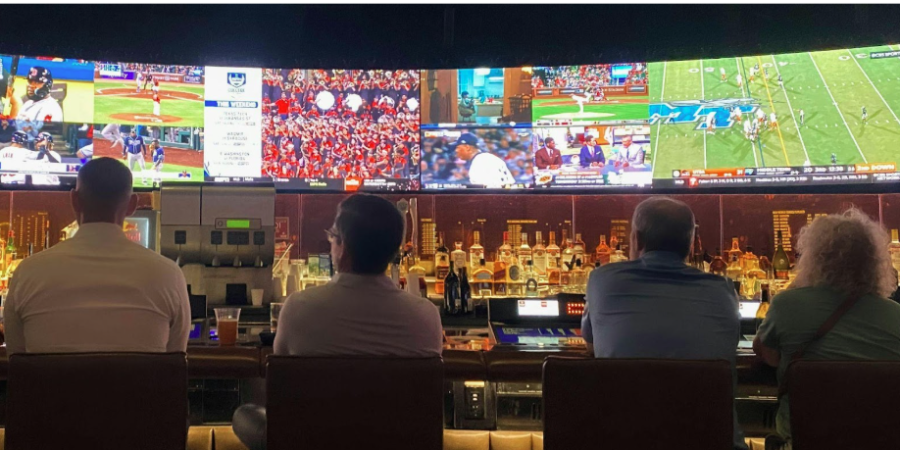
In the UK, the landscape of online betting has evolved dramatically over the past decade. What was once dominated by local bookmaking shops and telephone betting has become a highly digital, competitive ecosystem where operators experiment with a variety of promotional structures and incentives to attract and retain customers. These mechanisms are not isolated technicalities; they shape user engagement, influence perceptions of value and risk, and raise broader questions about how commercial incentives interact with consumer behaviour and public policy.
Understanding these promotional structures requires a lens that goes beyond superficial comparisons of offers. It involves looking at the marketing logic, psychological effects, regulatory context, and ethical considerations that underpin incentive systems in interactive gambling environments. Across this wider frame, platforms such as gen4 illustrate how technological and strategic innovation intersect with business emphasis on engagement.
This article explores the nature of promotional incentives in the UK betting market, how they function, why they are persuasive, and how they are balanced by regulation and responsible engagement frameworks.
The role of incentives in digital market competition
In any competitive market, businesses use incentives to distinguish themselves and attract customer attention. In online betting, this often takes the form of welcome bonuses, matched credits, cash-back offers, enhanced odds, and loyalty rewards. Unlike traditional retail promotions, these incentives are embedded within systems where monetary risk, unpredictability, and psychological reward structures are fundamental to the user experience.
In digital contexts, these incentives are finely tuned. Algorithms can personalize offers, timing can be aligned with high-interest sporting events, and conditions can be attached in ways that shape decision patterns. In economic terms, this is a strategy to increase customer acquisition and retention, but in behavioural terms, it interacts with cognitive biases related to perceived value and risk.
How incentives are structured
Promotional incentives typically fall into several categories, each with distinct characteristics:
- Sign-up or welcome incentives: These are designed to lower the initial barrier to entry. They may promise bonus credits or matched stakes when a new account is created and a first action is taken. The intention is to mitigate the cost of initial engagement.
- Ongoing engagement rewards: Operators may track activity over time and offer periodic rewards or points that can be redeemed for benefits. These systems aim to increase the frequency of interaction by adding an element of progression or accumulation.
- Event-specific incentives: Around major fixtures, leagues, or tournaments, operators often time special incentives to drive spikes in activity. These are seasonal and tied to external calendars rather than individual behaviour.
- Behavioural nudges: Features such as “enhanced odds” or “bonus boosts” on specific markets are designed to subtly influence how and where users allocate their attention.
Each of these structures has embedded conditions that define how, when, and by whom the incentive may be claimed. Reading these conditions is essential because the nominal value of an incentive is rarely equivalent to its practical value in use.
Psychological effects and decision-making
Incentives operate within a broader psychology of reward and risk. Much of the appeal of bonus offers lies in the perception of reduced risk or enhanced value. When an incentive is framed as a “bonus” or “free,” it can shift the emotional framing of an interaction from one of potential loss to potential gain.
This effect is well-documented in behavioural science: people respond not only to objective value but to how information is framed. A reward that appears “free” may be overvalued relative to its underlying conditions, leading to decisions that prioritise short-term perceived gain over long-term evaluation of risk.
This kind of framing is not unique to gambling. Similar effects are seen in retail promotions, subscription trials, and financial incentives. In each case, the promotional language can overshadow the nuanced terms that determine actual benefit.
Regulatory context in the UK

The UK has one of the most developed regulatory frameworks for online betting in the world. Operators must be licensed by the UK Gambling Commission (UKGC) and comply with strict requirements concerning transparency, consumer protection, and responsible gambling. Promotional incentives are part of this regulatory scrutiny.
Regulations require that incentive language be clear, that terms and conditions be accessible, and that offers do not exploit vulnerabilities or mislead consumers. These standards are designed to ensure that engagement is informed rather than impulsive, and that promotion does not undermine safety frameworks such as deposit limits and self-exclusion options.
The presence of a regulatory framework does not eliminate risk, but it provides guardrails intended to balance commercial freedom with consumer protection.
Responsible engagement and consumer literacy
Because incentives are designed to influence behaviour, a key aspect of responsible engagement is consumer literacy: the ability of users to interpret offers critically rather than emotionally.
This means understanding that:
- Promotional value is conditional, not absolute.
- Bonus terms often include expiry windows, minimum requirements, and restrictions on use.
- Incentives are designed to shape participation patterns, not guarantee benefit.
- Emotional responses to “bonus” language can lead to premature or impulsive decisions.
Educational organisations such as those working on digital behaviour and wellbeing emphasise the importance of interpreting incentives within context rather than through appealing language. The American Psychological Association highlights how marketing frames can influence decision processes and risk perception in digital environments, underscoring the need for informed engagement.
Incentives and long-term participation
Incentive structures not only affect initial engagement but also shape long-term participation habits. Loyalty systems, reward points, and tiered status models create a sense of progression that can encourage continued interaction. While this can be beneficial in reinforcing user commitment to a platform, it can also make it harder for individuals to evaluate whether ongoing participation aligns with their personal priorities or wellbeing.
In fields outside gambling, similar dynamics are seen in subscription rewards, frequent-buyer programmes, and gamified loyalty systems. In each case, the psychological pull of progression , the desire to maintain streaks, unlock rewards, or achieve higher status , can create patterns of behaviour that outlast initial intentions.
Community norms and peer influence
Online engagement does not happen in isolation. Word of mouth, social media, and shared experiences shape how people view incentives and participation structures. When promotional incentives become a topic of conversation among peers, they can reinforce perceptions of legitimacy or desirability.
This social dimension interacts with individual decision-making. Users may adopt strategies, attitudes, or expectations based on what others share, which can accelerate certain patterns of engagement across user cohorts.
The broader ethical conversation
The presence of robust regulation and active consumer protection does not fully resolve the ethical questions that incentives raise. There is an ongoing conversation about how to design systems that respect autonomy and wellbeing while allowing businesses to innovate and compete.
Ethical considerations include:
- Ensuring transparency without overwhelming users with legalistic language.
- Avoiding manipulative tactics that exploit cognitive biases.
- Balancing monetization goals with respect for user agency.
- Designing reward structures that do not encourage risky escalation of behaviour.
In other digital markets, such as mobile gaming or social media engagement systems, these debates play out as concerns about addiction, screen time, and persuasive design. The underlying tension is similar: how to harness engagement without compromising wellbeing.
Trends in transparency and design innovation
In response to both regulatory expectations and consumer awareness, some operators are experimenting with clearer, more user-friendly presentation of promotional incentives. This can include:
- Plain-language summaries of key terms.
- Tooltips explaining what conditions mean in practice.
- Dashboards that show incentive status and expiry timelines.
- Educational resources about responsible engagement.
These innovations aim to reduce the gap between promotional appeal and user understanding. They reflect a broader trend in digital design: moving away from opaque complexity toward user empowerment.