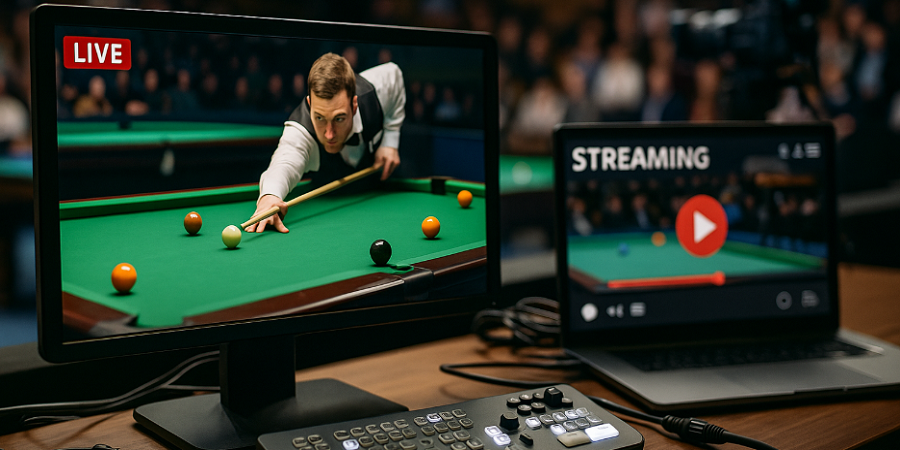
Billiards once lived mainly in smoky club halls, with small crowds and word-of-mouth updates. Coverage meant a quick mention in local newspapers or a few photographs in regional magazines. Now the picture looks completely different. Streaming platforms, sponsorship deals, and major networks turned billiards into an international media product. Interest is not limited to hardcore fans anymore, but also reaches casual viewers who enjoy skill-based competitions. Businesses also spotted the potential. One of the biggest drivers of attention is the connection between sports entertainment and commercial partners. Platforms such as 1xbet partner show how cue sports coverage aligns with digital promotion, expanding reach for both sides.
Regional outlets often published features about local talent, which gave the sport a social dimension. Enthusiasts collected glossy magazines with technical advice and tournament stories. These outlets gave players visibility, but reach was limited to subscribers or readers in specific areas.
The Rise of Television Broadcasting
As the television industry expanded, so did advertising around billiards events. Revenue from commercial breaks helped fund tournaments and prize pools. TV also introduced personalities. Players became household names because their style and emotions were visible on screen.
Key Drivers of Streaming Growth
Streaming succeeded for several reasons. Audiences wanted flexibility. They wanted to follow matches from anywhere, anytime. Sponsors followed the numbers, redirecting investments from TV ads to digital campaigns. Interactive features also kept viewers engaged.
- Accessibility – Streams available globally, no regional limits
- Engagement – Chat and instant feedback keep fans active
- Sponsorship – Targeted ads bring higher returns than generic campaigns
Sponsorship and Commercial Value
The growth of billiards media coverage increased its commercial importance. Brands related to sports, lifestyle, and entertainment became sponsors of tournaments and players. Cue makers, table producers, and clothing brands receive visibility across broadcasts. More recently, digital platforms expanded the network. Affiliate programs and digital partnerships support both the sport and commercial operators. Research by PwC shows that sports sponsorship value in niche sports grew by more than 18% in 2024.
| Sponsorship Type | Example Brands | Impact on Billiards |
| Equipment Deals | Cue and table producers | Increases visibility of gear |
| Lifestyle Brands | Apparel and drinks | Expands target audience |
| Digital Platforms | Streaming and affiliates | Boosts online engagement |
The Role of Streaming Platforms
Dedicated platforms secured official rights for broadcasting billiards events. This professionalized the entire system. Commentators, graphics, and match statistics became standard. Platforms introduced subscription models that provide steady revenue streams. Partnerships with advertisers add another layer of income. A Deloitte report highlighted that digital sports streaming reached revenues of $9.4 billion globally in 2024. Cue sports contributed a small but growing fraction, showing its potential.
Research and Data in Billiards Media
Analytics play a larger role today than ever. Broadcasters use viewing statistics to optimize match schedules. Event organizers analyze audience engagement to plan better tournaments. Sponsors rely on precise metrics before deciding where to invest. These numbers influence everything from camera placements to commentary style.
Billiards and eSports Convergence
The digital wave also led to hybrid formats. Virtual billiards games gained popularity on streaming platforms. Some events mix live matches with eSports tournaments. This format attracts younger audiences who enjoy gaming as much as physical sports. Analysts suggest this hybrid model may bring up to 20% more viewers by 2026.
- Virtual billiards competitions streamed worldwide
- Crossover sponsorships with gaming brands
- New fan demographics beyond traditional sports lovers
Challenges in Media Coverage
Despite growth, challenges remain. Production costs can be high for small tournaments. Licensing issues complicate global broadcasting rights. Online piracy also affects revenue streams. Organizers need to balance free exposure with secure income models. Without proper protection, investments from sponsors may weaken.
| Challenge | Description | Potential Solution |
| Piracy | Illegal streams cut revenue | Stronger monitoring and legal action |
| Costs | Expensive production gear | Partnerships and shared platforms |
| Licensing | Complicated global rights | Unified agreements |
The Future of Billiards Media
The future may see virtual billiards halls where fans join matches with headsets. Industry research from Nielsen suggests that interactive sports experiences could increase fan loyalty by 35% over the next three years.
Billiards moved far beyond local halls and niche magazines. Today, it enjoys streaming platforms, commercial partners, and global recognition. The sport remains both a cultural tradition and a modern media product. Its expansion shows how tradition can meet technology and create new value for audiences and partners alike.