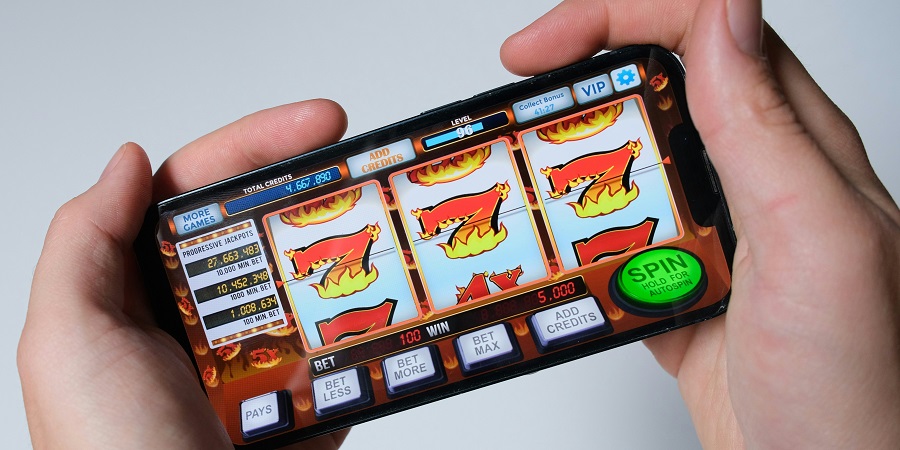
The UK market continues to stand tall on the European gambling scene, with the latest figures from the European Gaming and Betting Association (EGBA) suggesting that the British gambling market is second only to Italy in terms of size, now generating a reported £17.2 billion in annual gaming revenue. Of particular note, however, is the source of this revenue. While land-based operators continue to dominate in Europe’s other leading gambling markets, the UK has shown strong iGaming penetration, with approximately 56% of its total revenue now coming from online platforms. What’s more, mobile devices have become the most popular way to play, a trend that looks set to continue as the sector moves forward.
The Evolution of iGaming Preferences
Much like the rest of the global gambling scene, the rapid development of iGaming has had a transformational impact on the UK market. With pioneering gaming sites gaining popularity during the early 2000s, the country’s landmark legal framework set out in the Gambling Act 2005 has been instrumental in allowing online gambling to grow and evolve. This regulatory foundation remains a key reason for the UK’s position above its European neighbours in the online gambling space.
Mobile gaming emerged following the proliferation of smartphones in the early 2010s, with operators beginning to develop app-based, mobile-first platforms to meet growing consumer demand. By 2019, mobile gaming revenues began to outweigh those of desktop platforms for the first time, while the COVID-19 pandemic a year later accelerated growth further. Today, the popularity of mobile casinos and sports betting apps has continued to surge, now dominating the British iGaming market.
How Has Mobile Gaming Established Its Dominance?
The role smartphones play in the growth of iGaming cannot be overstated. As of 2024, 96% of the British population were mobile users, with over 89% using their phones to access the internet. This near-universal adoption has provided the technological platform for online casinos to develop, allowing operators to reach new player bases and serving as a catalyst for further innovation in game design. Ultimately, the emergence of mobile gaming as the dominant format largely reflects broader consumer preferences, with everything from managing your finances to watching your favourite TV shows increasingly done via smartphone.
A major benefit of mobile gaming lies in its on-the-go availability. While playing on a desktop or in a venue is tied to a specific location, you can play on your smartphone wherever, whenever. This unrivalled convenience is a key reason for the success of mobile casinos, allowing more people than ever to engage with iGaming. Furthermore, with internet coverage across the UK only set to improve, the convenience of the playing format will only become greater.
Smartphones also possess a unique, and now often taken-for-granted, feature that has enabled developers to improve the gaming experience – the touchscreen. While it’s easy to forget a time before touchscreens, they have helped drive game design to new levels, improving mechanics and offering more intuitive navigation. Operators have invested heavily in mobile game design as well, optimising their releases for smaller screens while integrating mobile payment methods to create a frictionless gameplay experience.
Further Development on the Horizon
When assessing the future of UK betting, it seems inevitable that mobile-based platforms will remain an integral part. However, with several potentially seismic innovations taking shape, the way players engage with mobile gaming could soon evolve dramatically.
Virtual Reality (VR) to maximise immersion
Looking at the top-rated platforms on Casino.org for mobile phones, the prevalence of live-dealer casinos is a clear indication that players seek authentic experiences that bridge the gap between the convenience of mobile gaming and the glamour of real casinos. The possibility of VR to create immersive computer-generated environments that better mimic real-life play, possibly even elevating it, gives it the potential to transform the industry. Technical challenges remain, notably the requirement for expensive, clunky VR headsets that somewhat detract from the convenience of the mobile format. There are also major regulatory barriers that will need to be overcome before VR platforms become widely adopted. If these issues can be addressed, it may not be long until VR gaming becomes a reality.
The Integration of Artificial Intelligence (AI)
While AI could soon be instrumental in the improvement of game mechanics and account security features, its primary power lies in its ability to personalise the player experience. Able to process vast amounts of data in a fraction of the time of even the most skilled humans, AI can be used to analyse player behaviours, using this information to tailor platform offerings – from game recommendations all the way to the types of bonuses offered. It is understood that forward-thinking operators are already using AI to elevate their services. Still, as the technology continues to improve at a rate of knots, we could soon see even greater integration.
Blockchain-backed Payment Methods
The emergence of modern transaction methods has become increasingly common in the UK betting scene, with many platforms starting to accept digital wallets and crypto payments in recent years. Cryptocurrencies, which are backed by blockchain technology, provide players with a rapid, low-cost and highly secure deposit method when playing at mobile casinos, and more widespread adoption could soon be on the horizon. While a reported 30% of UK gamblers have tried a ‘crypto casino, there remains regulatory uncertainty regarding their use, and legislative changes will be needed before we see cryptos replace traditional currencies in the industry.
Technological developments such as these remain a hotly discussed topic in the UK’s iGaming industry, however the timeframe in which these innovations are likely to take shape remains uncertain. Conversely, mobile gaming’s position in the future market looks secure with the sector cemented as the primary driver of a gambling market that is expected to grow by £2.63 billion by 2029. Whatever happens in the next few years, expect mobile casinos to continue dominating the UK gambling landscape.