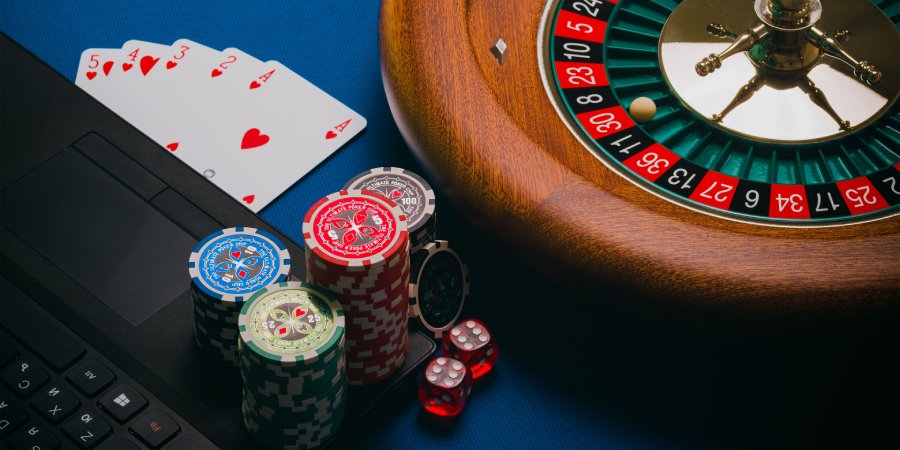
Britain’s gambling market now moves through phones as much as shop counters. The Gambling Commission reported £16.8 billion in gross gambling yield for the year from April 2024 to March 2025, with online gambling generating £7.8 billion of that total. Sports betting still pulls people in through football accumulators, racing cards, darts nights, and in-play markets, but online casino play now sits close by in the same digital routine.
The trend seems natural enough. A sports bettor already understands odds, stakes, cash-out buttons, and account wallets. When the same licensed platform offers roulette, blackjack, live dealer tables, or slots, the move across can feel like opening another tab rather than entering a new world. The habits overlap, though the games work differently.
The Gambling Commission’s April to July 2025 participation data showed that 38% of adults had gambled online in the previous four weeks, falling to 17% when lottery draw-only players were removed. Sports and racing betting through an app or website reached 10% in that period. Those numbers help explain why many bettors now treat online casinos as part of the same entertainment menu, even as the rules, risks, and pace demand fresh attention.
Sports bettors usually bring good habits with them. They know how to check prices, compare offers, and look past a headline promotion. Those habits help when they start looking at online casinos at Casino.org, where licensed UK platforms can be compared by game choice, mobile design, payment options, bonus terms, and safer gambling tools. The value sits in the sorting. A bettor can see which sites suit quick slots, live dealer tables, or slower card games before opening an account. That makes the move from match markets to casino play feel more considered, with less guesswork and fewer tabs doing their worst impression of work.
Why the move feels natural
Sports betting teaches people to think in terms of prices. A bettor sees 5/1, checks the market, weighs the form, and accepts that the result can still go sideways by half-time. Casino games use different maths, yet the mindset can feel familiar. A blackjack table has rules. Roulette has probabilities. Slots show return-to-player figures and volatility, even if those terms need a quick translation.
Return to player, or RTP, describes the theoretical long-term payout of a game. Volatility describes how bumpy the ride can be. A high-volatility slot may pay less often, then hit larger prizes. A lower-volatility game may produce smaller wins more regularly. Sports bettors understand variance already. They have seen a last-minute equaliser ruin a tidy bet. Casino play simply delivers that uncertainty through a different engine.
The first surprise is pace
Sports betting usually has pauses built in. A match takes 90 minutes, a race has a start time, and even in-play betting follows real events. Online casino games move faster. A slot spin takes seconds. A roulette round comes around quickly. Live blackjack feels social, but the decisions still arrive at a steady clip. That speed can make small stakes feel harmless until the session history says otherwise.
The UK has tightened rules around slots because pace and stake size can affect risk. New online slot stake limits introduced a £5 maximum stake for adults aged 25 and over, with a £2 limit for adults aged 18 to 24. Those limits give players a clearer boundary and show regulators view slots as a distinct product rather than a casual add-on to sports betting.
Bonuses need a careful read
Sports bettors know promotions well. Free bets, odds boosts, acca insurance, and bet builders have filled apps for years. Casino offers can look similar at first glance, but the terms often work in a different way. A casino bonus may carry wagering requirements, which means a player must stake a set amount before bonus-linked winnings become withdrawable.
The Gambling Commission has moved to make promotions safer and simpler. From December 2025, operators will face a ban on mixed-product offers that require customers to engage in two or more types of gambling, such as betting and slots. New rules also cap wagering requirements at 10 times the bonus amount. That change makes the offer terms easier to read and gives sports bettors a better chance of spotting the true cost of a promotion before they accept it.
Live casino has a familiar rhythm
Live dealer games often attract sports bettors because they offer a human pace. A presenter runs the table, players place bets during set windows, and the result appears on screen. The format gives roulette and blackjack a broadcast feel, which suits people used to watching sport with prices moving beside the action. It also gives players enough time to think, which can help when moving away from faster slot play.
That familiar rhythm can still hide important differences. A sports bet connects to a real match or race. A live casino round follows a house game with fixed rules and fixed edges. The house edge is the built-in mathematical advantage the operator holds over time. A bettor can study team news and still lose. A casino player can learn rules and still face the house edge every round. That point deserves a place near the top of the brain, ideally beside the password you keep forgetting.
Crypto interest adds another layer
Some online gamblers now ask about crypto casinos because they like fast payments, digital wallets, or blockchain-based branding. UK players should take extra care here. The safer route starts with licensing and local rules, since payment style alone tells you little about consumer protection. A casino that accepts crypto can still offer poor terms, weak support, or unclear withdrawal rules.
Crypto also adds price movement to the gambling result. A player may win in a token, then see its value change before converting it. That can make a session harder to judge. Sports bettors already understand moving prices, but crypto moves outside the casino, too. A sensible player checks fees, withdrawal limits, identity checks, and exchange rates before treating crypto as a convenient option.