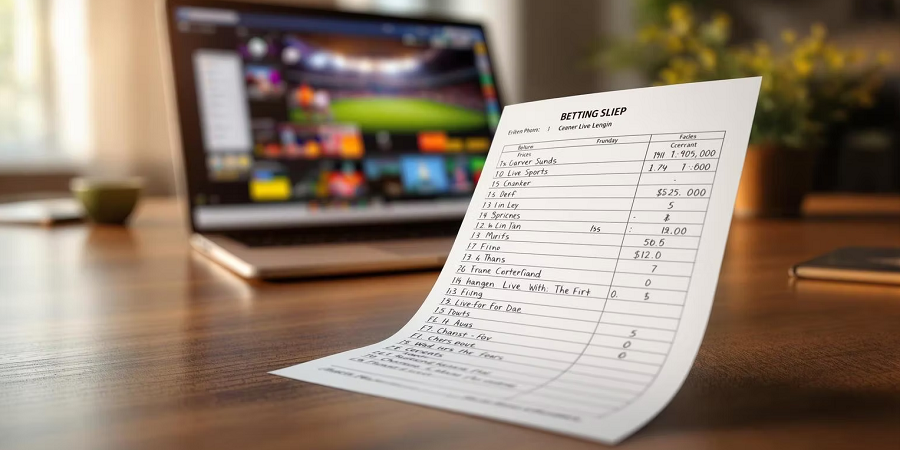
A bad beat can make a quiet room noisy in seconds. One late goal, one missed free throw, one red card, or one strange referee call can turn a good slip into a painful story. The bettor may stare at the screen and wonder how something that looked so close could still fall apart.
Easy wins feel sweet, but they often teach very little. A bad beat hurts more, yet it can leave behind useful lessons. It can show a bettor where the slip was too long, where the stake was too bold, or where hope spoke louder than sense.
Easy Wins Hide Mistakes
A winning slip can make every choice look smart, even when some picks were weak. A bettor may back five teams, win by luck, and then think the whole plan was perfect. That can be risky because luck may be doing the heavy lifting.
Easy wins can also make people raise stakes too fast. A person may feel sharp after one good day and forget that sport can turn quickly. The same market that paid well last week may punish them this week.
This does not mean a win is bad. Wins are part of the fun. Still, a bettor should not let one lucky result become a loud teacher. A good habit is to check the slip after a win and ask which picks were strong, which were risky, and which ones only survived by chance.
Bad Beats Ask Hard Questions
A bad beat forces a bettor to slow down. It asks questions that easy wins may never ask. Was the stake too high? Were there too many legs? Was the bet based on facts, or was it based on a feeling from an old match?
These questions can sting, but they help. A bettor who studies a bad beat with a calm mind may see small mistakes. Maybe the team was tired. Maybe the price was poor. Maybe the player ignored team news because the pick already felt right.
A bad beat does not always mean the bet was foolish. Sometimes the choice was fair, and sport simply behaved badly. Still, the review matters because it helps the bettor separate bad luck from bad planning.
Near Misses Show Weak Spots
Near misses are powerful because they feel almost right. A player may lose by one corner, one goal, or one point, then believe the slip deserved better. The same thing can happen when someone takes a quiet break with online casino ireland content and feels one more round might fix the mood.
That feeling needs care. A near miss is still a result, not a promise. It should not push the bettor into chasing or changing the budget. Small stakes can keep gambling closer to sustainable entertainment, where the player enjoys the story without letting one loss take over the day.
Near misses teach best when the player takes a breath. They show where the bet was too tight, too emotional, or too rushed. They can turn pain into better judgement.
Friends Can Make It Lighter
Bad beats often become group stories. Friends remember the missed penalty, the late goal, and the one person who said the pick was safe. The teasing can make the loss feel smaller when the stake was low and everyone knows where the joke should stop.
Good friends should add laughter, not pressure. They can share slips and talk about games, but each person still needs a private limit. No group chat should decide how much someone spends.
Better Betting Starts With Limits
A bettor who learns from bad beats often becomes calmer. They stop treating odds like promises. They start using smaller slips, clearer budgets, and better timing. They also learn that not every match needs a bet.
This is where extended entertainment value makes sense. A small budget can last longer, reduce stress, and keep the match fun. Good betting spaces should treat players like valued guests, with plain rules, fair limits, and simple tools that help them stay in control.
Pain Should Not Become a Chase
A bad beat can be a teacher, but it should never become a reason to chase. The smart move is not always another bet. Sometimes it is closing the app, laughing at the story, and saving the next choice for a calmer mind.
Easy wins may bring joy, but bad beats often build better habits. They remind bettors that sport is messy, luck is real, and control matters more than pride.