Online betting used to sit in two neat boxes. A casino tab had slots, blackjack, live roulette, and maybe a jackpot wheel. A sportsbook tab had football lines, tennis totals, racing, and a coupon full of numbers. That split is fading fast. Operators now want one account balance, one wallet, one risk profile, and one app that knows what a player likes at 7 p.m. on a Saturday. The change is visible in lobbies that place match markets beside live dealer tables instead of hiding them in separate corners. In that shift, sites such as money coming show how payment routes and sign-up flows matter as much as the games themselves. The link between betting and casino play is no longer just branding. It is product design. A user might back Arsenal, take a free spin during halftime, then check a same-game parlay before the second half starts. This joined setup keeps attention inside one account, which is exactly what large gambling groups want.
One wallet is doing more work
The wallet is the bridge. It sounds dull, but it decides whether a mixed casino and sportsbook account feels smooth or annoying. If a player deposits £25 for a Premier League bet and then wants a £2 blackjack hand, the balance has to move without delay, extra forms, or confusing bonus locks.
That is why smaller brands and affiliate hubs, including l89, keep pointing users toward platforms where deposits, withdrawals, and identity checks are handled in one place. The old model made a player repeat steps. Nobody misses that.
Behind the screen, one wallet also gives the operator cleaner data. A £10 accumulator, twenty slot spins, and a live baccarat session can sit in the same timeline. After that, sites such as Starbuck88 make more sense to visitors because the offer looks less like a pile of pages and more like a single betting account.
That shift changes expectations.
For bettors checking borders, an international odds comparison such as Ausländische Wettanbieter can place sportsbook licensing beside market depth, payout speed, and casino access.
Personalization now crosses the aisle
A joined account lets the site read patterns that were once split across departments. If someone bets mainly on NBA totals and plays low-volatility slots after midnight, the front page can show basketball markets, quick blackjack, and a small stake limit reminder. Simple. But useful.
The best use is timing. A free bet shown three hours after a match loses power. A casino bonus offered during a long rain delay at Wimbledon makes more sense, especially if it is small, clear, and easy to decline.
This also changes loyalty schemes. Points no longer need separate pots for casino and sports. One £5 horse racing bet and a short roulette session can both feed the same status bar. Some players like that because it feels fairer. Others worry it nudges them to spend across more products. That worry is fair. Good platforms should give limits the same front-page space as promos.
Live sport turns into live casino traffic
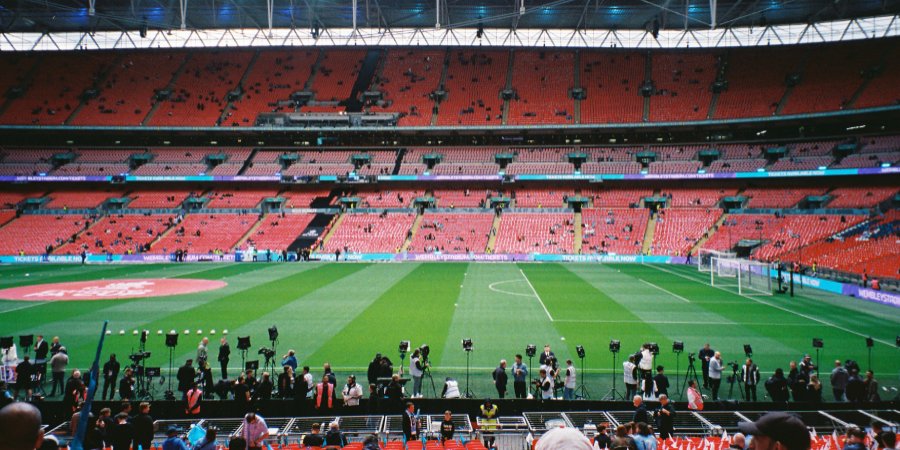
The strongest connection appears during live events. A sportsbook already has the player’s attention for ninety minutes, four quarters, or five sets. Instead of letting quiet periods go dead, operators add casino tiles beside the score centre.
Halftime is the obvious test. A player who has watched a first-half bet settle might see a live roulette table with a two-minute seat timer. During an injury break, the same page could show crash games or instant-win titles with low stakes. It is a bit pushy if done badly.
The smarter version respects context. If a match is tense, odds stay front and centre. If the market is suspended because of a VAR check, the site can show bet history, cash-out status, or a responsible play prompt before any casino offer. Fans hate clutter. They hate slow pages even more. A connected product has to load fast on a mid-range Android phone, not just on a shiny iPhone in a demo room.
Risk teams get a wider picture
Connection is not only a front-end story. The back office changes too. Fraud teams, trading desks, and safer gambling staff now work with the same customer record, which cuts blind spots.
A simple example shows it. A new user deposits $300, places long-shot football bets, loses quickly, then moves to high-speed slots. In the old setup, the sportsbook trader saw one slice and the casino team saw another. In a shared setup, the pattern appears within minutes. The response can be a cooling-off message, a withdrawal check, or a block on bonus abuse.
There is a commercial side as well. Sportsbooks run on thin margins, sometimes 4 or 5 percent after winners are paid. Casino games have steadier math. Operators like players who use both because revenue becomes less dependent on one Saturday result. Still, the data has to be handled with care. A person is not a spreadsheet row. If connection only means harder selling, regulators will notice.
Rules lag behind mixed products
Lawmakers wrote many gambling rules for separate channels. A casino licence covered games of chance. A sports licence covered wagers on real events. Connected apps blur those lines, especially where one bonus, one wallet, and one account history touch both sides.
Germany, the UK, Ontario, and several US states all treat cross-selling in different ways. Some places limit casino ads during sports broadcasts. Others focus on deposit checks, identity controls, or bonus wording. The hard part is consistency. A player might use the same brand in two countries and see two very different products.
Clear labelling helps. A sportsbook bet should look like a sportsbook bet. A slot should not be dressed up as a match prediction just because the page sits beside live odds. Plain language matters here: wagering requirements, max win caps, withdrawal times, and self-exclusion links should be visible before a promotion is claimed. Tiny grey text at the bottom of a phone screen is not good enough.
The next step is a calmer lobby
The next wave will look less flashy than people expect. Better connection means fewer tabs, clearer account controls, and offers that appear at sensible moments. A football fan should not need six taps to find blackjack during halftime. A casino player should not see a giant parlay banner after setting a sports betting limit. Common sense. If the system knows the limit, the marketing panel should know it too. That is respect. No tricks.
Expect more shared search bars, mixed bet histories, and alerts that cover every product. If a player sets a daily loss limit of €50, it should apply across slots, roulette, esports, and league betting unless local law demands separate limits. Anything else feels like a loophole with nicer colours.
Payment tech will keep pushing the merge too. Faster bank transfers, open banking checks, and digital ID tools make one-account gambling easier to run. The real test is restraint. The brands that win long term will connect casino and sports without making the screen feel like a carnival. One practical sign is easy to spot: can a user find deposit limits in under ten seconds?