Big tournaments like the World Cup, the Euros, or the Olympics pull in a huge crowd and a ton of betting options. Odds move fast. There are more markets than usual. And every match feels bigger than it probably is. Here’s the thing: if you want to stay in control, you need a plan before anything kicks off. Decide how much you’re willing to risk, what you want to bet on, and how you’ll react when things go right or wrong. A little prep keeps the whole thing fun and stops you from making messy decisions later.
Set Your Tournament Bankroll
The first step is to ring-fence a bankroll just for the event. This is a set amount you are comfortable risking, separate from rent, bills and daily costs. Once you fix this figure, treat it as the total you can spend for the whole tournament, not per week or per round.
Break that bankroll into small “units”. Most people use 1% to 5% of their bankroll per bet. So if you have £500 for the World Cup, a unit might be £5 to £25. Smaller unit sizes mean a few bad results will not wipe out your funds, so you can ride out a tough run.
Stick to your unit size, even on big matches with heavy media build-up. It is easy to get carried away and double your usual stake on your home nation or favourite player. Try not to do that, and don’t chase losses by doubling your next bet. That’s usually where things go sideways.
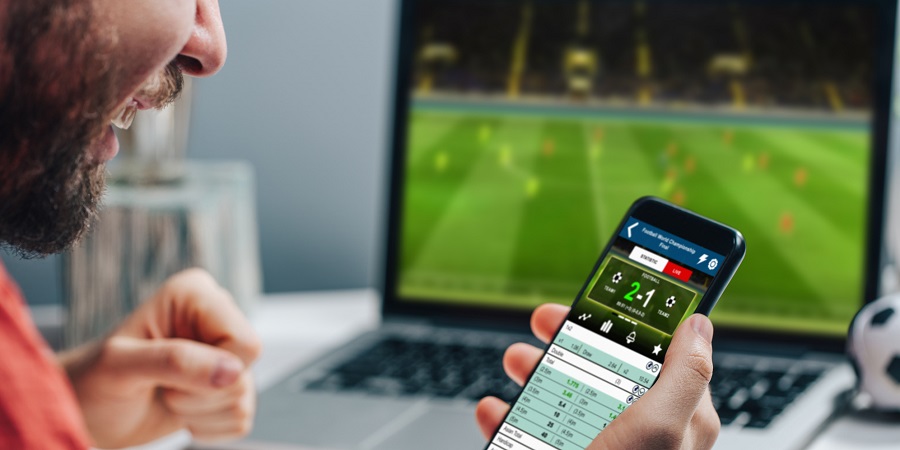
Many bettors now place most of their wagers on phones or tablets. Esports News betting apps guide for UK players takes a look at the best betting apps and helps you pick safe, easy-to-use apps before the tournament starts. Good apps should offer quick log-ins with face or fingerprint ID, alerts for kickoff times or price shifts, and simple payments through Apple Pay or Google Pay. Just make sure your connection is solid, especially for live bets. And use tools like early cash-out, so a bad signal doesn’t kill a bet you were winning.
Study the Event Before the First Match
Here’s what happens when you prepare early: you see things others miss. Look at recent form instead of just results. Check how teams or athletes have played in the last few months, and in friendly matches that use a similar style or opponent. A side that keeps scraping wins but allows many shots on goal may be weaker than the table suggests.
Pay close attention to group or draw layouts. In football events with group stages, a strong team in a very tough group might offer better value in “to qualify” markets than in “to win the group”. In knock-out draws, some favourites have a smoother route than others, which can affect long-term bets such as “to reach the final”.
Large events held across several cities or countries add extra factors. Time zones, long flights, heat, cold: it all adds up. In 2026, some World Cup teams will jump between the USA, Canada, and Mexico with huge time changes. Others will stay in one area and deal with less travel. That difference can show up in the odds.
Always compare odds between different bookmakers before placing a bet, from going through their special offers to reading blog posts and following their social media outlets. Prices can vary a lot, and even a small difference adds up over many wagers. Using the best price available on a regular basis can raise your overall return over the full length of the tournament.
Plan Around Upcoming Major Events
Big events run on predictable cycles, so you can prep ahead of time. Take the Milano Cortina 2026 Winter Olympics. Those events come down to tiny details like snow type, ice quality, and the shape of a track. Form on specific tracks and slopes matters a lot. Some athletes perform way better in certain venues. Look at their results on similar courses, and you’ll get a clearer picture. Country medal bets can also make sense if you follow which teams have the strongest squads across multiple sports.
The 2026 World Cup will be bigger, with 48 teams. More teams mean more matches and a busier group stage. You’ll probably see more early surprises. Group strength, rest days and travel patterns will be important in picking spots where favourites may be over- or under-rated.