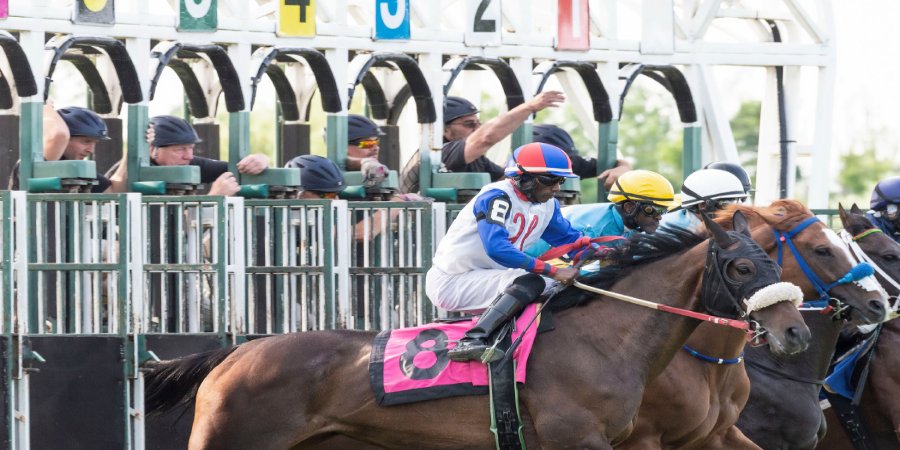
DUBLIN / LONDON — The gap between how Britain and Ireland police gambling has never looked wider. On Friday, Ireland’s Department of Justice said it wants the Gambling Regulation Act’s daytime advertising ban and its curbs on free bets switched on “as soon as is legally and operationally feasible”, four months after the new Gambling Regulatory Authority of Ireland (GRAI) issued its first online betting licences. Across the Irish Sea, the same week brought news that Betfred will walk away from sponsoring all five British Classics, blaming two Budgets in a row that pushed UK gambling taxes to record levels.
For anyone who places a bet in either country, the headlines matter less than the small print. Britain’s rules now dictate how much you can stake on a slot, when a bookmaker has to run a financial check on you and how a bonus must be structured. Ireland has only just begun licensing online bookmakers under its own regulator, with online casinos still waiting their turn. Those differences shape which operators you can legally use, what offers land in your inbox and what protection you have when something goes wrong, which is why resources such as Topend Sports’ guide to betting sites in Ireland increasingly sort operators by the licence they hold rather than by the size of their welcome offer. Here is how the two systems compare today, and what each change means in practice.
Two regulators, two very different starting points
Great Britain has worked under a single framework, the Gambling Act 2005, since 2007. The Gambling Commission licenses every operator serving British customers, online or in a shop, and its Licence Conditions and Codes of Practice have been rewritten repeatedly since the government’s 2023 White Paper. The direction of travel is firmly towards tighter player protection and higher taxes.
Ireland is starting almost from scratch. Until this year, betting was governed by the Betting Act 1931 and gaming by a 1956 statute, with the Revenue Commissioners handing out licences and no dedicated regulator at all. The Gambling Regulation Act 2024 changed that, creating the GRAI, which opened for business in March 2025, began taking licence applications on 5 February 2026 and issued its first remote betting licences on 1 July 2026. By late September, 27 operators sat on its public register, including Paddy Power, Betfair, bet365 and BoyleSports. In-person betting shops move across to GRAI licences from 1 December 2026.
The practical consequence is that Britain’s rulebook is mature and detailed, while Ireland’s is being switched on section by section, with some of its most talked-about measures still waiting for a commencement order from the Minister for Justice.
Online casinos: fully legal in Britain, still unlicensed in Ireland
This is the single biggest difference for players. A British punter can open an account with a Gambling Commission-licensed online casino, play slots, roulette or live blackjack, and rely on UK dispute resolution if a payout is withheld. The trade-off is that the operator pays 40% Remote Gaming Duty on its profits from that customer, a rate that doubled from 21% on 1 April 2026 and has already thinned out bonus values across the market.
In Ireland, the Gambling Regulation Act provides for a remote gaming licence, but that category has not yet been commenced. Every GRAI licence issued so far covers betting only; no online casino is GRAI-licensed, and the authority has signalled that gaming, lottery and business-to-business licences will open between 2027 and 2028. Irish players who use casino products today are therefore dealing with operators regulated elsewhere, typically Malta or Gibraltar, which means Irish consumer protections and the GRAI complaints procedure do not apply to that play.
Stake limits and affordability checks: Britain goes much further
Since April 2025, online slots in Great Britain have carried a maximum stake of £5 per spin for adults aged 25 and over, and £2 for 18 to 24-year-olds. Autoplay and turbo spins were already banned, with a minimum 2.5 seconds per spin. Operators must also run a light-touch financial vulnerability check once a customer’s net deposits reach £150 in a rolling 30-day period, using background data rather than asking for payslips. Deposit-limit tools became mandatory in 2025 and, from 30 September 2026, only a gross limit may be labelled a “deposit limit”; net limits must be flagged separately so players are not misled.
Ireland has nothing comparable on the statute book. The 2024 Act requires licensees to let customers set monetary limits on their accounts and to verify that every customer is over 18, but it sets no per-spin cap and no deposit threshold that triggers a check. For now, an Irish punter faces fewer friction points, but also fewer automatic safety nets, than a British one.
Free bets, bonuses and advertising: where Ireland is about to get tougher
Here the positions could soon flip. In Britain, free bets and welcome bonuses remain legal, but rules introduced in late 2025 cap wagering requirements at 10 times the bonus amount and ban offers that mix products, for example a sportsbook bet that unlocks casino free spins. Marketing requires a specific opt-in for each channel and product. Television advertising around live sport is governed by the industry’s voluntary “whistle-to-whistle” ban rather than by law.
Ireland has written far stricter measures into primary legislation. Section 157 of the 2024 Act says a licensee may not offer an inducement, such as a free bet, to a specific person or group, with general public offers to be governed by ministerial regulations. Separate sections impose a statutory watershed that bars gambling adverts on television, radio and on-demand services between 5.30am and 9pm, and restrict social-media advertising to account holders who have actively chosen to follow the operator. None of those sections has been commenced yet. The Department of Justice told the Racing Post on 6 November that it cannot give a timeline, but that the Minister supports commencement as soon as it is legally and operationally possible. When that happens, Irish players should expect personalised free bets to disappear and daytime betting adverts to vanish from Irish screens, while their British counterparts continue to see both.
Credit cards, self-exclusion and getting paid
Both jurisdictions now ban gambling with credit cards: Britain since April 2020 and Ireland under the new Act, which also prohibits buy-now-pay-later facilities and will remove cash machines from gambling premises. On self-exclusion, however, Britain is years ahead. GAMSTOP has let British players block themselves from every licensed online operator in one step since 2018. Ireland’s National Gambling Exclusion Register is provided for in sections 44 to 49 of the Act but has not been commenced, so Irish players must still self-exclude operator by operator.
Payout protection is one area where Ireland’s new regime already bites. Since July, a GRAI licensee cannot unreasonably withhold a customer’s winnings, and the authority can impose administrative sanctions of up to €20 million or 10% of turnover for breaches. Britain relies on the Commission’s licence conditions and an approved dispute-resolution scheme, and has a long record of multi-million-pound fines for failings in social responsibility and anti-money-laundering controls.
Tax: operators pay, players don’t, but the rates are worlds apart
Neither country taxes gambling winnings in the hands of the player. The difference sits entirely with the operator. Britain now charges 40% Remote Gaming Duty on online casino, bingo, poker and slot profits, a statutory levy of up to 1.1% of gross gambling yield to fund treatment and research, and from 1 April 2027 a new 25% duty on online sports betting, with bets on UK horse racing staying at 15%. The 28 October Budget added a rise in Machine Games Duty from 20% to 25% on higher-stake shop machines from April 2027, the trigger for Betfred’s withdrawal from the Classics. Ireland, by contrast, still levies a 2% duty on betting turnover, although GRAI licensees will also fund the regulator and contribute to a new Social Impact Fund.
The table below summarises the main differences as they stand on 9 November 2026.
| Rule (online) | United Kingdom (GB) | Ireland |
|---|---|---|
| Regulator / law | Gambling Commission, Gambling Act 2005 (plus 2023 White Paper reforms) | GRAI, Gambling Regulation Act 2024 (phased commencement) |
| Online sports betting | Licensed since 2007 | GRAI remote betting licences live since 1 July 2026 |
| Online casino / slots | Licensed and taxed | No GRAI gaming licence yet; gaming phase due from 2027 |
| Slot stake limits | £5 per spin (25+), £2 (18-24) | None yet |
| Affordability checks | Light-touch check at £150 net deposits in 30 days | No equivalent statutory threshold |
| Credit cards | Banned since April 2020 | Banned under the 2024 Act |
| Free bets / bonuses | Allowed; 10x wagering cap, no cross-product bonuses | Targeted inducements to be banned (section not yet commenced) |
| Ad watershed | Industry ‘whistle-to-whistle’ code only | Statutory 5.30am-9pm ban written into law, not yet commenced |
| National self-exclusion | GAMSTOP (since 2018) | National Gambling Exclusion Register planned, not yet live |
| Operator tax | 40% Remote Gaming Duty; 25% remote betting duty from April 2027 | 2% betting duty on turnover |
| Tax on winnings | None | None |
What the differences mean for players
- Check the licence, not the brand. A bookmaker can be GRAI-licensed for betting in Ireland and Commission-licensed in Britain, yet its casino may be regulated by neither for Irish customers.
- Expect friction in Britain. Stake caps, deposit-limit prompts and checks at £150 of net deposits are now routine; they are a sign of a compliant operator, not a glitch.
- Enjoy Irish promotions while they last. Targeted free bets and daytime adverts are living on borrowed time once the inducement and advertising sections are commenced.
- Use the tools that exist. British players have GAMSTOP; Irish players should set limits and self-exclude with each operator until the national register goes live.
- Watch the bonus economics. With UK operators handing 40% of online casino profits to HMRC, offers will keep shrinking; Irish terms may tighten too as GRAI levies and the Social Impact Fund take effect.
A note on Northern Ireland
Northern Ireland sits inside the UK but outside the Gambling Act 2005. Land-based gambling there is still governed by a 1985 Order, with no local regulator, while online operators serving Northern Irish customers hold Gambling Commission licences and apply the British rules above. For players on the island of Ireland, that means the rulebook can change depending on which side of the border they are standing on, a quirk that will become more visible once the Republic’s advertising and inducement bans come into force.