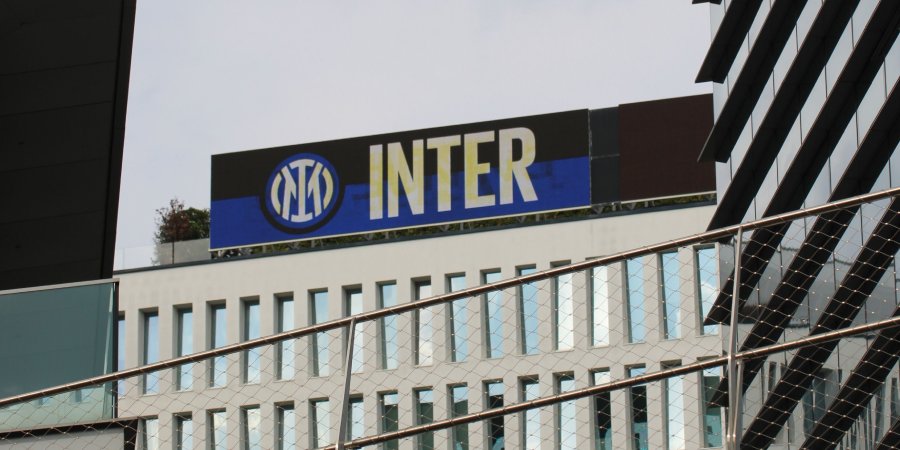
Inter Milan’s commercial identity has transformed dramatically since the turn of the millennium. What began as a relatively simple shirt-sponsorship arrangement has evolved into a sprawling network of global partners spanning technology, aviation, streaming and beyond. Tracing this journey reveals as much about football’s changing economics as it does about the Nerazzurri themselves.
The club’s sponsorship story offers a useful lens for understanding how Serie A giants have repositioned themselves within an increasingly international marketplace. Few examples illustrate this shift as clearly as Inter’s own commercial evolution.
Pirelli Era Defined Early 2000s Identity
For much of the early 2000s, Inter’s shirt was almost synonymous with Pirelli. The tyre manufacturer’s logo became a fixture on Nerazzurri kits, and the relationship endured well beyond typical sponsorship cycles in modern football. In August 2025, the two parties marked an extraordinary milestone together.
Inter and Pirelli celebrated three decades of collaboration, with the club describing it as one of the longest and most meaningful partnerships in football. That kind of longevity is rare in an industry where sponsors typically cycle through every few seasons. It set a benchmark against which every subsequent Inter deal would eventually be measured.
Global Brands Enter During Financial Fair Play Years
As Financial Fair Play regulations reshaped European football’s financial landscape, Inter began diversifying beyond a single anchor sponsor. The club started pursuing partnerships with airlines, technology firms and international consumer brands, reflecting a broader push to generate revenue streams that could satisfy stricter compliance frameworks. Qatar Airways became one notable addition to this expanding portfolio, signalling Inter’s ambitions to court partners with genuinely global reach.
This period also coincided with football’s wider embrace of digital-first sponsorship categories, including online entertainment and gaming platforms seeking visibility among passionate fan bases.
Digital And Betting Partners Diversify Revenue Streams
By the mid-2020s, Inter’s sponsor stack had grown far more layered than the single-shirt-deal model of decades past. Betsson emerged as a particularly significant addition, becoming the club’s main shirt sponsor in a deal reported to be Inter’s largest ever in this category. According to reporting drawing on official financial documents, Betsson’s first year as sponsor generated over €27 million in revenue for Inter — a figure that underscores how far the club’s commercial ceiling has risen since the Pirelli era. Sleeve and training-kit placements have further multiplied monetisation opportunities across a single matchday.
The betting and digital casino sector has matured considerably alongside this growth — supporters exploring New Casino Sites in the UK will find polished interfaces and clearly structured bonus terms that reflect the same commercial professionalism elite clubs now expect from their partners.
Paramount And Modern Multi-Sponsor Strategy Today
Inter’s most recent commercial chapter has embraced media-native brands alongside traditional consumer sponsors. Paramount+ became a visible shirt partner, reflecting a broader trend of streaming platforms seeking association with elite football clubs, as confirmed by SportsPro’s report on Inter Milan’s Paramount+ shirt deal worth a reported €20 million per season. This shift illustrates how sponsorship categories themselves have evolved alongside changing entertainment habits.
Betsson has continued expanding its footprint beyond pure branding, moving into fan engagement and matchday activations. The 2024/25 Inter home kit reveal on Football Italia demonstrated how sponsors now expect content-driven partnerships rather than static logo placement alone — Betsson’s debut as main partner was woven directly into the kit launch narrative. Taken together, Inter’s journey from Pirelli to Paramount+ tells a story of a club that has consistently adapted its commercial strategy to match football’s shifting global economics, building a sponsor ecosystem that looks nothing like the one it started the century with.