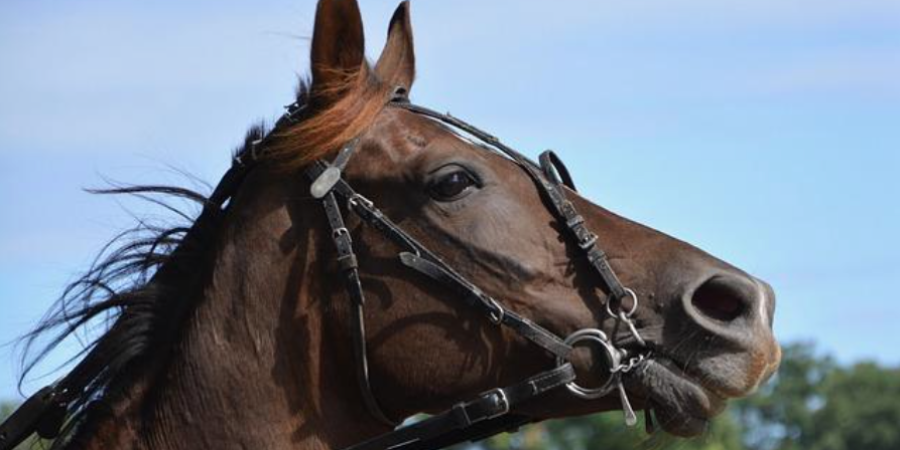
The Preakness Stakes occupies a defining place in the global horse racing calendar, sitting at the heart of the sport’s most intense and celebrated stretch. Scheduled to be run on May 17 at Pimlico Race Course in Baltimore, Maryland, the race represents the second leg of the prestigious Triple Crown.
This sequence has captivated racing enthusiasts for generations. Positioned between the spectacle of the Kentucky Derby and the endurance test of the Belmont Stakes, the Preakness carries unique weight, shaping narratives and determining whether history is within reach.
Each year, anticipation builds as Derby winners arrive with momentum and challengers seek to disrupt their path. The race’s blend of tradition, pressure, and competitive depth ensures it remains one of the most compelling events in horse racing’s biggest season.
The Second Jewel That Defines Triple Crown Season
The Preakness Stakes is far more than a continuation of the Triple Crown; it is the moment that defines it. As the Second Jewel, it determines whether a Kentucky Derby winner can continue toward racing immortality or whether the narrative shifts entirely. For fans following contenders’ odds and betting markets such as FanDuel Preakness Stakes betting, this race represents a pivotal turning point where expectations meet reality on the track.
Because it follows the Derby so closely, the emotional intensity surrounding the Preakness is unmatched. Derby champions arrive under immense scrutiny, carrying both momentum and pressure, while a fresh group of challengers aims to halt any potential sweep. Over the years, many Triple Crown ambitions have been tested and often ended at Pimlico.
Historically, the race holds deep roots, having first been contested in 1873, making it older than both the Kentucky Derby and Belmont Stakes. It remains a cornerstone of Maryland’s sporting identity and a symbol of continuity within the sport.
Scheduled two weeks after the Derby and three weeks before the Belmont, the Preakness serves as the critical bridge in the Triple Crown structure. Its placement ensures that the series maintains momentum, culminating in one of horse racing’s most compelling and widely followed traditions.
Black-Eyed Susans and Baltimore’s Racing Identity
Few races in the world combine sporting prestige with cultural tradition as seamlessly as the Preakness Stakes. Known for its Black-Eyed Susan theme and vibrant infield atmosphere, the race transforms Baltimore into the focal point of the racing world each May, blending history with modern fan engagement.
One of the most recognisable traditions is the presentation of the winner’s blanket, a striking arrangement of yellow flowers designed to resemble Black-Eyed Susans, Maryland’s state flower. Draped over the victorious horse, it is accompanied by a replica of the Woodlawn Vase, one of the most valuable trophies in American sport.
Equally distinctive is the weather vane ritual. Following the race, the colours of the winning owner’s silks are painted onto the jockey and horse that adorn the infield weather vane, a tradition dating back to 1909 and one that continues to symbolise victory in a uniquely visual way.
Music also plays a role in the race’s identity. The traditional singing of Maryland, My Maryland has long been part of the pre-race ceremony, reinforcing the event’s connection to its regional roots.
Together, these traditions give the Preakness a character that is unmistakably its own, celebrating Maryland’s enduring relationship with thoroughbred racing while resonating with audiences far beyond the region.
A Historic Race Adapting for a New Era
The Preakness Stakes is entering a transformative period, marked by significant changes designed to secure its long-term future. In 2026, the race will be staged at Laurel Park on May 16, marking the first time in over 150 editions that it will not be held at Pimlico Race Course.
Located approximately 28 miles from Pimlico, Laurel Park will host the race at its traditional distance of 1 3/16 miles. This temporary relocation ensures continuity while major redevelopment efforts are undertaken, with the Preakness scheduled to return to Pimlico in 2027.
The move is part of a broader initiative to modernise Maryland’s racing infrastructure. A substantial redevelopment project has been approved to transform Pimlico into a world-class facility, while operational control has shifted to the Maryland Thoroughbred Racetrack Operating Authority. These changes reflect a renewed commitment to preserving the race’s prominence.
At the same time, Laurel Park is set to assume a more prominent role as a year-round training and racing hub, strengthening the state’s overall racing ecosystem.
Rather than diminishing the stature of the Preakness, these developments highlight a forward-looking approach, ensuring that the race continues to evolve while maintaining the traditions that define it.
Legendary Performances That Cement the Preakness’s Legacy
Throughout its history, the Preakness Stakes has served as a stage for some of the most iconic performances in horse racing. Champions such as Secretariat, American Pharaoh, and Justify all used victories here as key steps toward historic Triple Crown campaigns, reinforcing the race’s importance within the season.
Secretariat’s 1973 triumph remains one of the most discussed moments in racing history. Initially recorded at 1:55, his time was later revised to 1:53 following extensive review, confirming his status as the record-holder across all three Triple Crown races.
Another unforgettable moment came in 2005 with Afleet Alex. After being struck during the race and nearly falling, he regained his balance dramatically and surged to victory, a performance widely regarded as one of the greatest displays of resilience ever seen on the track.
Looking ahead, new narratives continue to emerge. Rivalries and rising stars ensure that each edition of the Preakness carries fresh intrigue, with storylines building momentum long before the gates open.
It is this rich tapestry of performances, spanning more than a century, that gives the Preakness Stakes its enduring legacy, a race defined not just by its place in the Triple Crown but by the moments it creates.
A Race That Defines the Season
The Preakness Stakes stands as one of the most influential events in horse racing, shaping the narrative of the Triple Crown and capturing global attention each year. Its unique position between the Kentucky Derby and Belmont Stakes ensures that it remains central to the sport’s most important stretch, where expectations rise, and legacies begin to take form.
From its deep-rooted traditions in Baltimore to its evolving future through modern redevelopment, the race continues to balance heritage with progress. Each running adds another chapter to a history defined by unforgettable performances and intense competition.