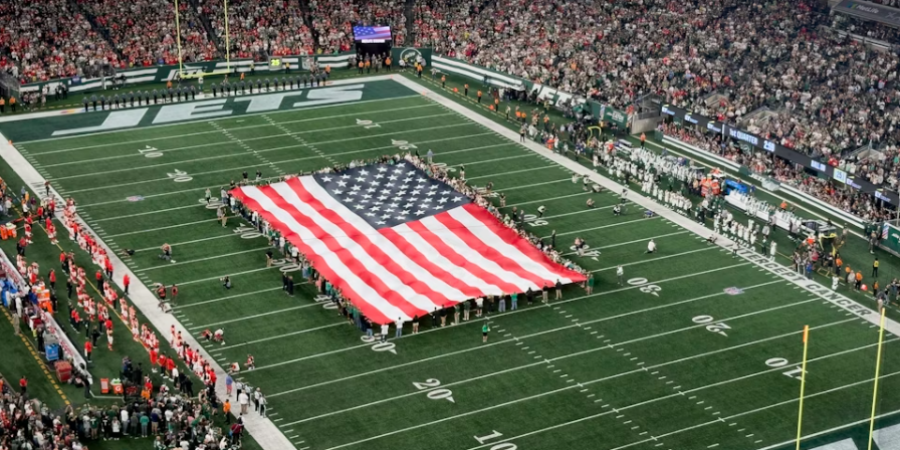
Few sports create weekly anticipation quite like the NFL. With a 272-game regular season, dramatic finishes, and a schedule built around prime-time moments, every matchup feels meaningful. That structure naturally pulls fans deeper into the numbers behind the games.
For many, following NFL betting is less about chasing outcomes and more about understanding how expectations are shaped. Lines, spreads, and player projections all tell a story. Learning how to read that story adds a new layer to every Sunday, Monday, and Thursday kickoff.
Breaking Down NFL Odds Without the Confusion
Odds can seem intimidating at first, but they simply express expectations. Once you grasp the basics, they become a useful tool for interpreting a game.
American Odds Made Simple
American odds use a $100 baseline to show expectations clearly. Favorites (-) require a larger stake to win $100, while underdogs (+) return more on a $100 bet. The format differs from UK odds, but the idea remains the same, balancing likelihood with payout.
Implied Probability and What It Tells You
Odds also indicate how likely a team is to win. A line like -230 suggests a strong chance of victory, while +190 reflects a less certain outlook. These numbers don’t predict results; they represent a consensus shaped by data, public sentiment, and bookmaker adjustments.
The Hidden Cost: Understanding the Vig
Most standard NFL bets sit around -110. That extra margin is the bookmaker’s commission. Because of this, breaking even requires winning slightly more than half of your selections. Small differences like this matter over the course of a full season.
The Core NFL Betting Markets You’ll See Every Week
NFL betting is built around a few core markets that appear in nearly every game. These markets form the foundation for how odds are applied and how most wagers are structured each week.
Once odds make sense, the next step is understanding how they apply across these options.
| Market | What It Means | Key Insight |
| Point Spreads | The favorite must win by a set margin; the underdog can win or stay within it | Key margins (3, 7, 10) make small line shifts especially important |
| Moneylines | Bet on which team wins outright | Favorites pay less; underdogs offer higher returns |
| Totals (Over/Under) | Predict if the total points finish above or below the set line | Scoring depends on pace, style, and weather |
| Player Props | Focus on individual player performance outcomes (e.g., yards or touchdowns) | Expanding market with more game-specific angles |
As these markets expand, many fans follow weekly matchups and explore different angles through platforms offering betting, where spreads, totals, and player-focused options are updated throughout the week.
Key Factors That Shape NFL Outcomes Each Week
Understanding the markets is only part of the picture. To fully interpret weekly NFL betting lines, the real edge comes from knowing what influences the numbers behind them.
Injuries, Rest, and Scheduling Edges
Injuries can quickly shift expectations, especially when key players like quarterbacks or offensive linemen are unavailable. This often impacts the betting line. Scheduling also plays a role, as teams with extra rest often have an edge over those on short turnaround.
Weather and Game Environment
Wind remains the most important weather factor. In NFL games, it often shapes scoring expectations. Strong gusts can disrupt passing attacks and lower scoring. Snow and heavy rain introduce unpredictability. Slower pacing and conservative play-calling often follow.
Home-Field Advantage Still Matters
Home-field advantage typically accounts for a small but meaningful adjustment in the spread. This edge is often reflected directly in point lines. Crowd noise, travel fatigue, and familiarity all contribute. Certain stadiums amplify this effect, especially in prime-time settings.
The Importance of Key Numbers
NFL scoring makes certain margins more common than others. Three and seven stand out because they align with field goals and touchdowns. That’s where the “hook” comes in. A line at -2.5 feels very different from -3.5, even though the gap is only one point.
Reading the Story Behind the Betting Line
Lines don’t stay still. From opening numbers to kickoff, they often shift noticeably, evolving throughout the week as new information and opinions emerge.
Line Movement and What It Signals
A spread moving from -3 to -4 often signals a meaningful development. That could be injury news, weather updates, or large wagers influencing the market. The reason behind the movement matters just as much as the movement itself.
Betting Splits and Market Behavior
Comparing the percentage of bets to the percentage of money can reveal interesting patterns. A team might attract most of the public selections but only a smaller share of the total money. That often suggests experienced bettors are leaning the other way.
Closing Line Value Explained Simply
Beating the closing number is a strong long-term indicator of good decision-making, as getting a better line early improves your position by kickoff. Tracking line movement alongside upcoming NFL games and props helps clearly explain how expectations shift.
Key Considerations for Getting Started with NFL Betting
Getting started with NFL betting is less about perfection and more about building consistent habits that support better decision-making over time. Small adjustments early can lead to more consistent results over a full season.
A few practical considerations can help build a more structured approach:
- Set a consistent unit size and stick to it,
- Avoid increasing stakes after a loss,
- Compare lines across platforms when possible,
- Be cautious with heavily favored teams and high-scoring expectations,
- Focus on single bets before exploring more complex options,
- Track your bets to spot patterns and improve awareness,
- Stay objective, especially when your favorite team is involved.
Building these habits early helps create a more measured approach, where consistency and awareness matter more than any single outcome. This becomes especially important over the course of a long NFL season.
Seeing NFL Betting as Part of the Game Experience
NFL betting works best when it enhances the way you watch the game. Understanding odds, markets, and influencing factors adds depth to every drive and decision.
Games begin to feel different when you notice how a late touchdown affects the spread or how weather shapes a play call. That awareness turns casual viewing into something more engaging.
Approach it as a learning process. Follow the numbers, stay consistent, and let the season unfold. Over time, the patterns become clearer, and the game itself becomes even more compelling.