Casinos operate under different laws and traditions, yet visitors often encounter the same set of games wherever they go. A person might enter a casino with no clear plan and still drift toward something familiar. That reaction does not happen by chance. Certain games fit naturally into how people think, wait, decide, and react to outcomes.
Some players want quick results. Others stay longer and watch every move. Casinos respond to these habits by offering games that match real behavior, not abstract theory. Below is a closer look at the casino games that players choose most often around the world, explained through how people actually use them.
Slot Machines
Slot machines usually appear first. A visitor walks in, hears the sounds, sees the screens, and understands what to do almost immediately. There is no need to observe a round before joining. A player inserts funds, sets a stake, presses a button, and waits.
That simplicity shapes how people use slots. Many players sit down for a few minutes, stand up, and move on. Others stay longer but still control every round themselves. The machine never rushes them.
Common behaviors around slot machines include:
- Playing while waiting for friends
- Taking short breaks between table games
- Avoiding conversation and shared tables
Slots also suit players who prefer privacy. No one watches decisions. No one reacts to mistakes. The result appears, and the next spin happens only if the player wants it.
Online platforms copy this structure almost exactly. Players move between physical and digital machines without changing habits. In informal conversations, people sometimes describe slot play using phrases like spin winera, which reflects how casually many treat the game rather than any formal terminology.
Roulette
Roulette attracts attention before anyone places a bet. People stop, watch the wheel, and follow the ball with their eyes. Even without knowing the payouts, most understand what the spin means.
The game moves in a steady rhythm. Bets go down. The wheel spins. The ball settles. The result appears. Then it starts again.
Players approach roulette in different ways. Some place the same bet every round. Others shift wagers based on recent numbers. Many do both over time.
Roulette works for players because:
- The table shows every option clearly
- Each round follows the same steps
- Outcomes stay visible to everyone
The wheel does much of the work. It holds attention without explanation. That visual focus explains why roulette tables often draw small crowds, even when only a few people are betting.
Blackjack
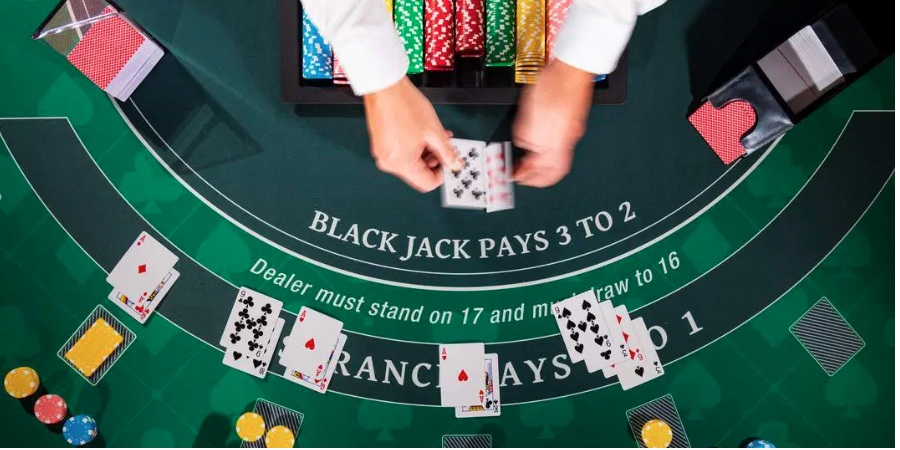
Blackjack feels different the moment a hand begins. Cards appear, and players must respond. Every decision matters for that round.
A player looks at their cards, checks the dealer’s upcard, and chooses what to do next. Hit. Stand. Split. The flow depends on that choice. Over time, many players learn basic decision patterns. They stop guessing and start reacting automatically.
That learning process keeps people engaged. Blackjack does not feel static because no two hands unfold the same way.
Players return to blackjack because:
- Each round requires attention
- Decisions happen quickly but not randomly
- Rules stay consistent across casinos
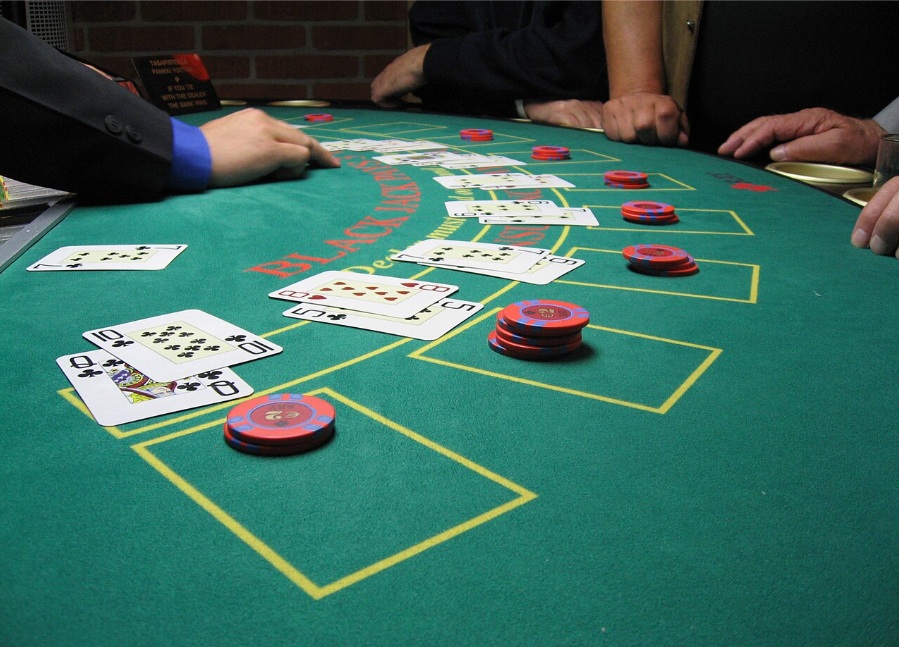
Casinos often place blackjack tables in open areas. Passersby can follow the action without explanation. One card changes everything. That tension remains easy to read, even from a distance.
Poker
Poker changes the dynamic completely. The house steps back, and players face each other instead. Chips move across the table based on choices, not preset outcomes.
At a poker table, players watch more than they act. They study betting patterns, timing, and reactions. A hand might end quickly or stretch over several rounds of betting.
Texas Hold’em dominates most poker rooms. Cash games allow players to come and go. Tournaments lock everyone into the same structure and pace.
Poker attracts players who value:
- Long sessions with gradual results
- Direct interaction with others
- Decisions that carry weight over time
Poker rooms usually stay quieter than slot areas or dice tables. Conversation drops during hands. Eyes stay on the table. In some regions, regulators separate poker from other casino games because skill plays a visible role in outcomes.
Baccarat
Baccarat moves in the opposite direction. Once bets are placed, the player does nothing else. Cards come out according to fixed rules. The result appears. Then the next round begins.
This lack of decision-making appeals to many players. They focus on patterns, results, or simply the flow of the game. No one feels pressure to act at the wrong moment.
Baccarat keeps a steady following because:
- The process stays predictable
- Rounds move without interruption
- The table atmosphere remains calm
Casinos often place baccarat tables in quieter sections. Some carry higher limits, but the structure stays the same regardless of stake size. The game does not change its pace to match the money on the table.
Craps
Craps announces itself through sound. Cheers, groans, and sudden reactions travel across the floor. One roll affects many players at once.
The table looks complex at first. Bets cover nearly every surface. New players often start small, watching how the dice move and which wagers repeat. Regulars explain rules as the game continues.
Craps works because it turns individual bets into shared moments.
Players respond to craps because:
- Rolls resolve quickly
- Everyone reacts to the same outcome
- The table creates group energy
Casinos leave space around craps tables for a reason. Even people who never bet stop to watch. The game invites attention through action, not explanation.
Regional Preferences
Local habits still shape casino floors. While many games travel well, some regions show clear patterns in how players spend their time.
| Region | Commonly Played Games |
| North America | Slots, blackjack, craps |
| Europe | Roulette, slots, blackjack |
| East Asia | Baccarat, slots |
| Australia | Slots, card table games |
| South America | Roulette, slots |
These patterns influence how casinos allocate space and staff. Legal frameworks also affect availability, which reinforces regional habits over time.
Digital Access
Online platforms extend casino games beyond physical buildings. Players log in, choose familiar titles, and play at their own pace. Most do not experiment widely. They stick to what they already understand.
Live dealer formats add human presence through video streams. Players watch real cards and wheels while staying remote. The interaction feels closer to a physical table, though the setting remains controlled by the player.
Technology changes access, not behavior. The same habits appear in digital form.
Final Thoughts
Casino games remain consistent because they match how people act, wait, decide, and react. Slot machines suit short, independent play. Roulette relies on visual focus. Blackjack and poker reward attention and memory. Craps thrives on shared outcomes. Baccarat offers calm repetition.
Across regions and formats, these games persist because players understand them quickly and return without hesitation. That familiarity keeps casino floors looking surprisingly similar, no matter where they stand.