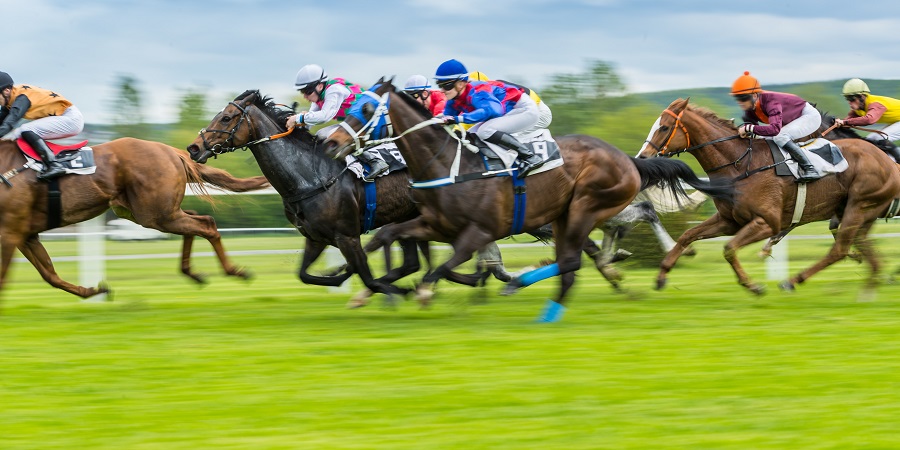
Over the years, horse racing has become one of Britain’s most popular sports, rich in history and tradition. Horse racing has evolved over the years, and recently it has adopted technology, transforming the sport whilst also maintaining its traditions. These meetings bring together skilled horses, dedicated trainers, jockeys, and large crowds, while also reflecting the traditions of towns and regions across the country. Over the course of a year, each festival plays a clear role in shaping the racing calendar and the wider sporting culture.
The Cheltenham Festival
The Cheltenham Festival, held in March, is the leading National Hunt meeting in Britain. Taking place at Cheltenham Racecourse in Gloucestershire, it marks the true start of spring for many racing followers. The meeting lasts four days and features top-class jump racing.
Cheltenham is known for its strong competition and the care taken to prepare horses for peak performance. Many horses are trained for this meeting months in advance. Races such as the Champion Hurdle, Queen Mother Champion Chase, and the Cheltenham Gold Cup stand at the centre of the National Hunt season, with the festival generating extensive coverage that explores niches such as free Cheltenham bets as part of broader public discussion around the meeting. The festival sets standards for the rest of the year, both in terms of racing quality and organisation.
The Grand National Meeting at Aintree
In April, attention turns to Aintree near Liverpool for the Grand National Meeting. This three-day event is best known for the Grand National itself, one of the most recognised races in the world. The meeting also includes several other important races that attract top horses and riders.
The Grand National reaches a wide audience each year and plays a major role in the sport. Aintree is a special racecourse, built on history and prestige, earning it a name as one of the most iconic racecourses in the world.
The Epsom Derby Festival
The Epsom Derby Festival, held in early June, is one of the key moments in the flat racing season. The Derby is widely seen as the most important flat race in Britain and has a history that stretches back to the eighteenth century.
This festival highlights young horses at an early stage of their careers. Winning the Derby often leads to a lasting place in racing history. The meeting also includes the Oaks, a major race for fillies, and together these contests help define breeding plans and future careers. Epsom’s unique track adds to the event’s challenge and tradition.
Royal Ascot
Royal Ascot takes place later in June and is known for its close ties to the Royal Family and its formal setting. The five-day meeting combines top-level flat racing with ceremony and tradition. Horses from Britain and overseas compete, giving the festival an international feel.
Royal Ascot shapes the flat season by offering a series of Group races that test speed, stamina, and consistency. The meeting also supports the wider racing industry through strong prize money and global attention. The care shown to horses and the quality of the racing surface are key parts of its reputation.
Glorious Goodwood
Glorious Goodwood takes place at the end of July on the South Downs in Sussex. The meeting is valued for its relaxed summer atmosphere and high-quality racing. The track’s setting above the countryside adds to its appeal.
Goodwood plays a role in balancing the racing year, offering a mix of competition and enjoyment. Many horses use the meeting as a step towards autumn targets. The festival shows how racing can be both sporting and social, without losing respect for the horses at its heart.
The York Ebor Festival
The York Ebor Festival in August is one of the highlights of the northern racing calendar. Held at York Racecourse, it features the Ebor Handicap, one of the richest races of its kind in Europe.
This festival supports a wide range of horses, from experienced runners to rising talents. It strengthens racing beyond the south of England and draws strong crowds each year. The flat, fair nature of the track is known for allowing horses to perform to their best ability.
The St Leger Festival at Doncaster
The St Leger Festival, held in September at Doncaster, brings the flat season towards its close. The St Leger Stakes is the oldest of Britain’s Classic races and tests stamina over a longer distance.
This meeting reflects the depth of British racing history. It also provides a clear goal for horses that thrive over longer trips. The festival underlines the importance of patience in training and the value of long-term planning.
Conclusion
These racing festivals are part of what makes the sport so special, sharing their cultures in a selection of race meetings that attract thousands each year. These horse racing festivals make sure to keep their core values at the centre, whilst also implementing technology to help them evolve and align with a modern audience.