Betting on horse racing can feel like a maze when you first look at a racecard. Between the exotic wagers, complex multiples, and endless markets offered by UK bookmakers, it’s easy to get overwhelmed. However, for the majority of punters, the core of horse racing betting is found in two very simple options: the Win bet and the Place bet.
These markets aren’t just for beginners; they are important for experienced punters, too. They offer a direct, uncomplicated way to engage with a race without needing a degree in mathematics to figure out the payout. Before you dive into advanced punting, you really need to get a firm grip on how these two core bets function.
Why Win and Place Bets Are the Core of UK Racing
Even with the massive rise in popularity of accumulators and “forecasts,” the single Win or Place bet still dominates the daily UK racing scene. Their popularity comes down to pure simplicity. You pick your horse, set your stake, and you know exactly what needs to happen for you to get paid.
This transparency is why these markets remain the gold standard at both local tracks and on digital platforms. By stripping away the noise of complex bets, punters can focus on what actually matters: the form, the going, and the horse itself.
The same logic applies elsewhere, too; even those learning how to bet on the Kentucky Derby usually start here before moving on to the more complex bets.
While flashy multi-leg bets promise huge returns, they come with high volatility. Win and Place bets offer a more grounded experience where your success is tied directly to your ability to read a race.
In the UK, this is all kept in check by the British Horseracing Authority, which ensures the integrity of the races on which these bets rely.
The Win Bet: All or Nothing
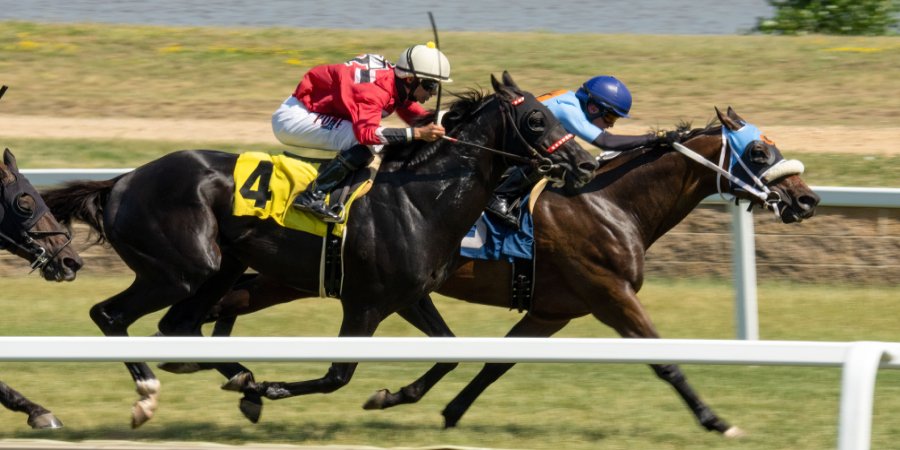
The Win bet is as old-school as it gets. Your selected horse has to cross the finish line first. If it comes in second by a nose, the bet loses. There’s no consolation prize or partial payout here; it’s total success or total failure.
Navigating UK Win Odds
Most UK bookies still lead with fractional odds (like 5/1), although you can easily use decimals if that’s your preference. If you back a horse at 5/1, you win five units of profit for every one unit staked, plus you get your original stake back.
These prices aren’t static; they shift based on the jockey’s reputation, the trainer’s recent form, and how the market is moving in the minutes before the race. Punters generally have three choices:
- Lock in an early price.
- Take the starting price (SP) at the off.
- Use Best Odds Guaranteed (BOG) to ensure you get the higher of the two.
When Should You Play the Win Market?
The Win bet makes sense when you have a clear view of which horse is likely to win. It rewards those who are willing to take a stand on a specific horse rather than hedging their bets. It’s particularly effective in smaller fields where the “Place” value is negligible.
The Place Bet: A Safety Net
A Place bet is the more forgiving of the two types. You aren’t necessarily betting on the horse to be the fastest; you’re betting on it to finish among the leading runners. As long as your selection finishes within the predefined places, you get paid.
How the Places Are Decided
In the UK, the number of places paid out isn’t random. It’s a standardised system based on how many horses are actually running:
| Runners | Places Paid |
| 2 to 4 Runners | Winner Only (No Place Market) |
| 5 to 7 Runners | 1st and 2nd |
| 8+ Runners | 1st, 2nd, 3rd |
| Handicaps (16+ Runners) | 1st, 2nd, 3rd, 4th |
Keep an eye out during big festivals like Cheltenham or Royal Ascot, as bookmakers often offer enhanced places promotions, sometimes paying out all the way down to 6th or 7th position. This is a common tactic when betting on the Kentucky Derby as well. Similar spikes in betting interest occur during the Preakness Stakes, where the second jewel of the Triple Crown often shifts the entire season’s narrative.
Why Choose a Place Bet?
This market is perfect for the cautious strategist. If you’re looking at a wide-open 20-runner handicap, picking the exact winner is statistically difficult. A Place bet allows you to profit from a horse that runs a great race but just gets pipped at the line. The trade-off? The odds are significantly lower than the Win market because your probability of winning is much higher.
The Bridge: Each-Way Betting
While we’re looking at Win and Place as solo bets, they are often combined in an each-way bet. This is two separate bets of equal value, one for the horse to win and one for it to place.
If the horse wins, you win both bets. If it finishes third in a big field, you lose the Win stake but collect on the Place stake (usually at 1/4 or 1/5 of the total odds). Understanding the solo markets is the only way to grasp how an Each-Way return is calculated.
Conclusion: Choosing Your Path
The choice between Win and Place usually boils down to risk versus reward.
- Go with a Win bet if you see a clear standout.
- Go with a Place bet if the race is a scramble and you want to protect your bankroll.
The best punters don’t stick to just one. They treat their betting slip like a toolkit, picking the “Win” or “Place” tool that fits the race in front of them. Whether you are browsing your local UK bookie or comparing the top Kentucky Derby betting sites for the upcoming Triple Crown season, mastering these basics ensures the rest of the racing world starts to make a lot more sense.