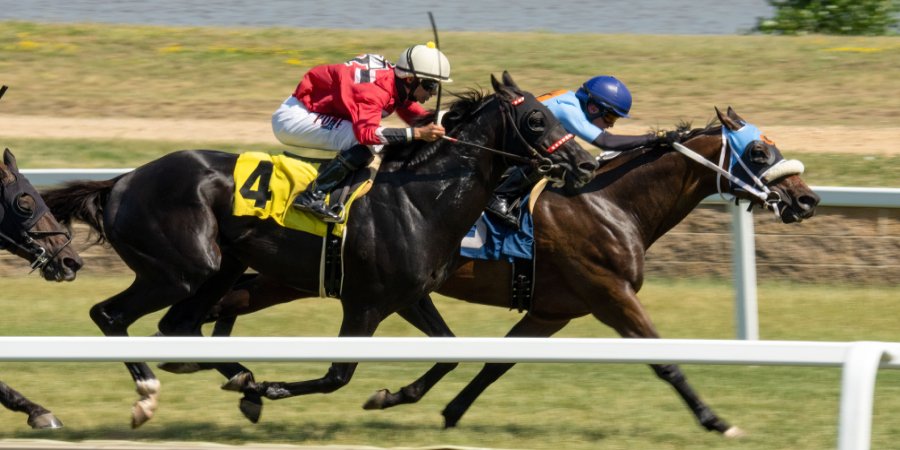
Horse racing is often seen as a contest of speed and skill, yet the conditions underfoot and overhead can quietly shape every result. A bright, calm afternoon can produce a very different race to one run in driving rain or gusty winds. These changes do not just affect comfort, but they can also impact the way that horses move and how a jockey rides, potentially resulting in a change of tactics. Understanding some of these slightly more hidden influences helps to explain why even some of the most well-prepared runners can sometimes underperform on the day.
Why Weather Matters
Weather plays a deeper role in racing than people may already assume. Rain can soften the ground and make it slightly more tiring for horses, whereas dry spells can often provide a quicker and more responsive surface. The temperature can also dictate a horse’s energy levels as well as recovery, with even the smallest of conditional shifts changing how a race could develop. Because of this, trainers and jockeys pay close attention to forecasts in the days leading up to each meeting.
Understanding Track Conditions
Racecourses in Britain use a standard system to describe going conditions, ranging from firm to heavy. These descriptions reflect how much give there is in the turf and how much effort is needed to run on it. Firmer ground tends to favour speed, while softer surfaces demand more endurance. Officials measure and assess conditions carefully so that competitors and trainers have a clear understanding of what to expect before each race begins. These details are also closely followed by spectators and analysts, with discussions around form and horse racing betting odds often influenced by how horses are expected to perform under certain ground conditions.
Muddy Conditions
Not all horses respond to the same surface in the same way. Some perform far better when the ground is soft and heavy, which is where stamina becomes far more important than just pure pace. These horses often have a stronger and more powerful action that helps them cope with the deeper turf. Others can struggle when it comes to west conditions, becoming a lot more testing of their stamina. A time has gone by, and patterns have emerged that allow trainers to easily identify which horses are more naturally suited to different types of ground to better prepare for upcoming races.
How Trainers Adapt Strategies
Trainers spend a great deal of time preparing horses for different surfaces, often adjusting training routines depending on the expected conditions. On race day, decisions may be made about tactics, positioning and how strongly a horse is ridden early on. Even equipment choices can be influenced by the state of the ground. These small adjustments can make a noticeable difference, especially when conditions change suddenly after declarations have been made.
Wind and Visibility
While the rain and the ground conditions gain the most attention, other elements, such as strong winds and visibility,y can impact how a horse moves across the course. Visibility can change the rhythm of a horse as well as the timing, typically when it comes to more misty and low-light conditions. Even some slight temperature differences between the shaded and open sections of the track can play a role. These impacts are often looked at prior to the race by most experienced jockeys and stable staff.
How Conditions Could Shape Outcomes
A change in the conditions of a race can completely alter how it unfolds from the start to the finish, with some horses needing to adjust slightly in order to change their rhythm, while others may be able to perform normally without any need for adjustments. These differences can sometimes make results a little harder to judge, as even some of the small changes can unsettle a runner and impact how comfortably they can travel through the race. Understanding this connection between the horse and ground conditions is central to analysing form correctly.
Reading the Ground
Experienced trainers, jockeys and course officials develop a strong sense for how conditions will evolve throughout a race day. They study rainfall, drainage patterns and how the turf responds after earlier races. Walking the course is a common practice in modern-day horse racing, as it gives a clearer sense of how the ground feels underfoot. This is something that helps the trainers and jackets to prepare more effectively on the day and adjust their approach for each individual race.
Why Unpredictability is Appealing
The changing of the weather and ground conditions adds a layer of unpredictability that keeps horse racing exciting and draws the interest of spectators. No two meetings are ever the same, as a result, even if they are run on the same course. It also makes skill and strategy even more important than just flat-out pace, meaning jockeys must train to think carefully and assess the situations of each race individually. It also ensures that outcomes are shaped by more than reputation alone, giving each race its own sense of drama and possibility.