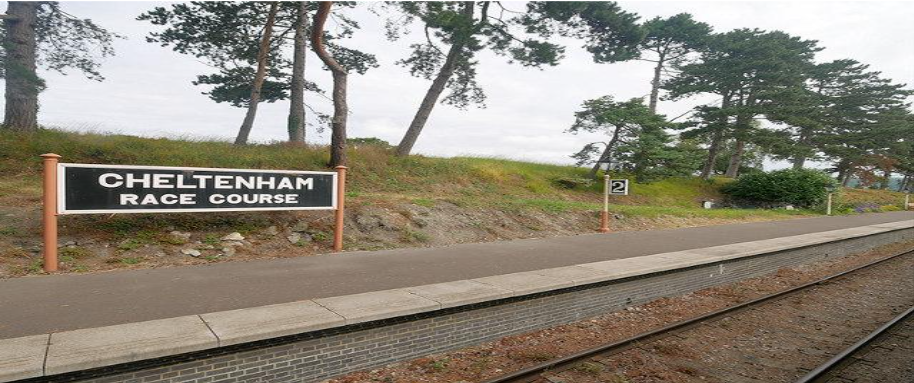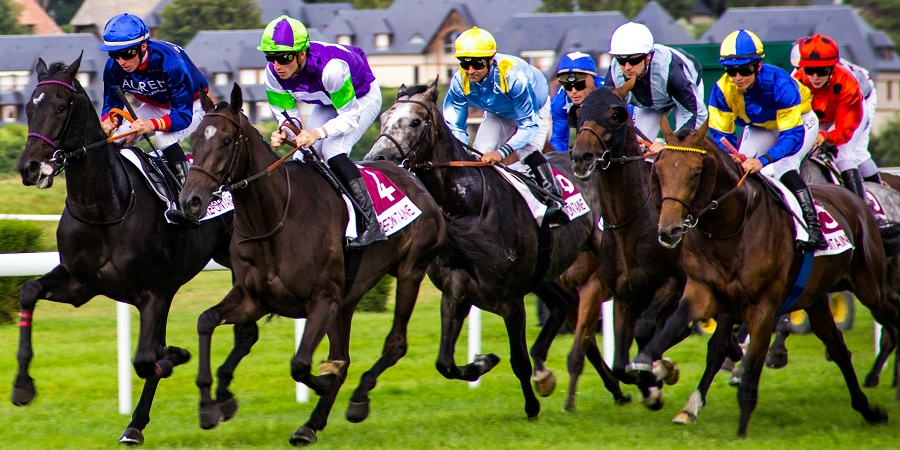
There is no sound in sport quite like the “Cheltenham Roar” at 1:30 PM on the opening Tuesday. It is the collective release of twelve months of anticipation, but for the punter, that adrenaline spike is dangerous. The Festival isn’t won in the Supreme Novices’ Hurdle; it is a brutal, four-day war of attrition comprising 28 contests. Surviving until Gold Cup Friday requires ice in your veins, not just blind faith in whatever Willie Mullins decides to saddle up. Amateurs bet with their hearts on Tuesday morning; the pros are still calculating their ROI on Friday afternoon.
Managing Downtime with the “Gap” Strategy
The greatest enemy of the festival punter is not the handicapper or the soft ground; it is the forty minutes of dead air between races. This is the “danger zone.” You have just watched a thrilling finish up the hill, the adrenaline is fading, and boredom kicks in. Suddenly, you are convincing yourself that a 25/1 outsider in a handicap you haven’t researched is a “value bet” simply because you crave action.
The professionals call this “chasing the buzz,” and it is the quickest way to burn through your bankroll. The smart play is to enforce a strict “Gap Strategy.” Do not stare at the form guide until you are paralyzed by analysis. Instead, you need a mental reset. A quick session on a cleopatra slot acts as the perfect digital “palate cleanser.” It provides the requisite volatility to keep your eye in, but crucially, it disengages the analytical part of your brain. By switching focus to a luck-based mechanic for ten minutes, you satisfy the itch for action and return to the racecard fresh, clear-headed, and ready to make a rational decision for the next post time.
Bonus Tactics for Maximising Your War Chest
Any serious punter knows that “Money Back if 2nd” or “Extra Places” offers can be the difference between a winning week and a washout. You wouldn’t back a horse at 2/1 if 5/1 was available down the road, and the same logic must apply to your digital gaming strategy. During Festival week, betting apps will flood your inbox with “Deposit Matches” and “Free Spins.” Treat these not as spam, but as tactical resources to inflate your bankroll—provided you know how to read the terms.
A “Deposit Match” effectively doubles your ammunition, allowing you to absorb the inevitable variance of a gaming session without dipping into your ring-fenced racing funds. It gives you a longer runway to hit a bonus round. However, the golden rule for 2026 is liquidity. Nothing kills a Festival vibe faster than hitting a jackpot on the slots, only to realize you cannot withdraw the cash to back a sudden “steamer” in the Gold Cup because your funds are locked behind a restrictive 40x wagering requirement.
To avoid this trap, prioritize “Low Wagering” or “No Wager” bonuses. These are the “Non-Runner No Bet” of the casino world. They offer the flexibility to take a profit and run, ensuring your funds remain fluid. If a bonus ties up your capital for days, ignore it. Your cash needs to be ready to deploy the moment the market moves, not stuck in a playthrough loop while the horses are going to post.
Traction Control for Your Wallet in the 2026 Regulatory Landscape
Remember the dread of intrusive affordability checks? In 2026, the regulatory landscape has shifted from a roadblock to a guardrail. Automated systems now run silently in the background, acting like traction control in a sports car. They are designed to kick in only if you lose control on a sharp corner.
For the Festival punter, this is a game-changer. It means you can focus entirely on the racing and the odds, secure in the knowledge that as long as you are playing within your pre-determined means, you won’t face a sudden account freeze right as the tapes go up. It is a safety net that finally respects the player’s intelligence.
Ante-Post vs. Day-of-Race: Holding Your Nerve
The allure of securing 20/1 on a horse in January that goes off at 4/1 in March is the holy grail of punting. However, in 2026, the Ante-Post market is a minefield that requires a very specific metal detector: NRNB (Non-Runner No Bet). Without this concession, you are essentially donating money to the bookmaker before the horse has even travelled. Unless you see those four magic letters, keep your powder dry. The risk of a late injury or a tactical switch by a trainer like Mullins to a completely different race is simply too high to justify the slightly better odds.
Furthermore, this year’s erratic spring weather patterns have made the Clerk of the Course the most important person at the festival. We have seen the ground swing from ‘Good to Soft’ to ‘Heavy’ in a single afternoon of downpours. A horse that floats on the “top of the ground” will sink like a stone in a bog. The smart money this year isn’t guessing weeks in advance; it is waiting for the final declarations and the confirmed Going report on the morning of the race. Information is power, and at Cheltenham, the most valuable information often arrives late. Don’t let a weeks-old bet sink because the mud turned up on the day.
The Final Furlong
As the sun sets over Cleeve Hill on Friday, the difference between profit and loss usually comes down to discipline. Cheltenham is a supreme test of the bettor’s temperament. Stick to the battle plan: use the gaps to reset, manage your bankroll with liquidity in mind, and never chase losses. Fortune favors the brave, but it rewards the prepared.