Most football matches end quietly. You’ll see players running down the clock, managers swapping in fresh legs to protect a lead, and supporters starting to check traffic apps. That version of the sport exists constantly, but nobody writes articles about it.
The matches that stick are the ones where injury time stops being procedural and becomes the whole story. Goals that arrive at 89 minutes or later carry emotional weight that earlier strikes cannot replicate. These are the moments that explain why people structure their weekends around this game.
How Late Goals Create Something Different
Earlier goals matter statistically, but late goals matter emotionally in ways that defy logic. A strike when everything looks finished creates narrative satisfaction that taps into something fundamental about how humans experience drama. The 90th minute is not merely late. It represents the final realistic opportunity, and that context transforms everything.
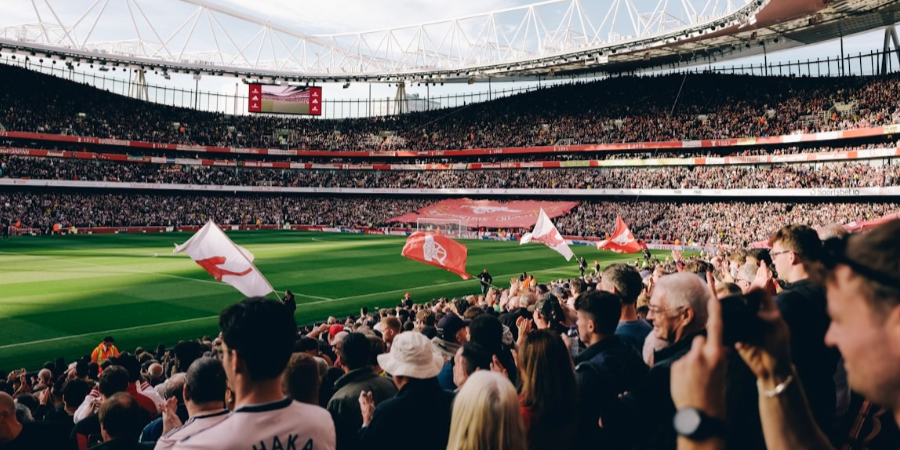
Supporters feel this tension viscerally, but anyone who has placed a bet understands it even more directly. The same tightening sensation that spreads through a stadium spreads through a casino floor. Both environments thrive on sudden reversals and the understanding that outcomes can shift completely in moments.
That overlap explains why platforms like Vox Casino fit naturally into this conversation. They feature over 5000 games, many built around the same heart-rate-spiking uncertainty that defines stoppage time. A match that appears settled can reverse entirely in those closing minutes, just as a single spin or deal can transform a gambler’s evening. With that connection established, here are five football moments that genuinely altered history.
How Aguero Made Manchester City Relevant
May 13, 2012. Manchester City needed a win against QPR to claim their first league title in 44 years. The score sat at 2-2 with seconds remaining. The title appeared destined for Manchester United.
Then Aguero received possession near the penalty area. What followed accomplished more than securing silverware. It demonstrated that City belonged among elite clubs capable of delivering when pressure peaked.
When the ball crossed the line, the club’s trajectory shifted permanently. Martin Tyler’s extended “Aguerooo!” captured decades of frustration, releasing simultaneously. That goal remains the clearest illustration of stoppage time’s capacity to redefine everything.
How Solskjaer Completed the Impossible Treble
The 1999 Champions League final between United and Bayern produced one of football’s most chaotic conclusions. Bayern held a 1-0 advantage with stoppage time nearly exhausted. The trophy presentation crew had already attached Bayern ribbons.
At 91 minutes, United earned a corner. Teddy Sheringham converted, leveling the score instantly. Before Bayern could process what had happened, another corner arrived. Ole Gunnar Solskjaer redirected it into the net at 93 minutes.
That goal delivered the Champions League trophy and completed English football’s first treble. The reversal took approximately 120 seconds.
How Gotze Ended Germany’s 24-Year Wait
2014 World Cup final. Germany against Argentina in Rio’s heat, still scoreless after 110 minutes. Both squads were running on empty, and penalties felt inevitable.
At 113 minutes, Mario Gotze controlled an awkward cross on his chest and volleyed past the goalkeeper before the ball touched grass. The technical difficulty was significant. Controlling that delivery, adjusting mid-air, and executing under World Cup final pressure with a defender closing required extraordinary composure.
Germany had waited 24 years for another World Cup. A 22-year-old delivered it with seven minutes remaining.
How Moura Turned Burial Into Advancement
At halftime of the 2019 Champions League semifinal second leg, Tottenham appeared finished. Three goals behind on aggregate, no margin available, and Ajax is celebrating its role as a giant killer. The tie felt decided.
Lucas Moura disagreed. Goals at 55 and 59 minutes created a possibility. Then he completed his hat-trick in stoppage time. VAR confirmed the goal stood, and Tottenham advanced on away goals.
The comeback became immediate evidence that football rewards those who refuse to accept outcomes prematurely.
How Eder Gave Portugal Their First Major Trophy
Portugal had reached the finals before and lost every time. That history weighed heavily on entering the Euro 2016 final against France in Paris. When Ronaldo injured himself early and left the pitch, another painful ending seemed certain. France controlled play, Ronaldo watched from the sideline, visibly emotional, and the pattern appeared unchanged.
At 109 minutes, Eder–a substitute with minimal tournament involvement who spent most of his career at unremarkable clubs–struck from distance and beat Lloris. Portugal secured their first major international trophy through genuinely their least expected player.
In summary, these five goals prove football’s drama lives in its final moments. Injury time transforms ordinary matches into legendary tales. The 90th minute rewrites history, creates heroes, and reminds us why we never stop believing until the final whistle sounds.