On a warm evening in Tirana, a football match is rarely just a match. It leaks out of stadiums through chat, and onto slips of paper and phone screens. The Albanian association with football is quite strong, but there is another dimension that usually remains in the shadows of football in the country: the country’s close association with betting.
At first glance, it seems simple. Football is popular, so betting follows. There’s history here, psychology, and a particular Balkan attitude to risk that doesn’t quite translate elsewhere. Come to think of it, the better question isn’t why betting is popular.
Football as a social language
More than a sport
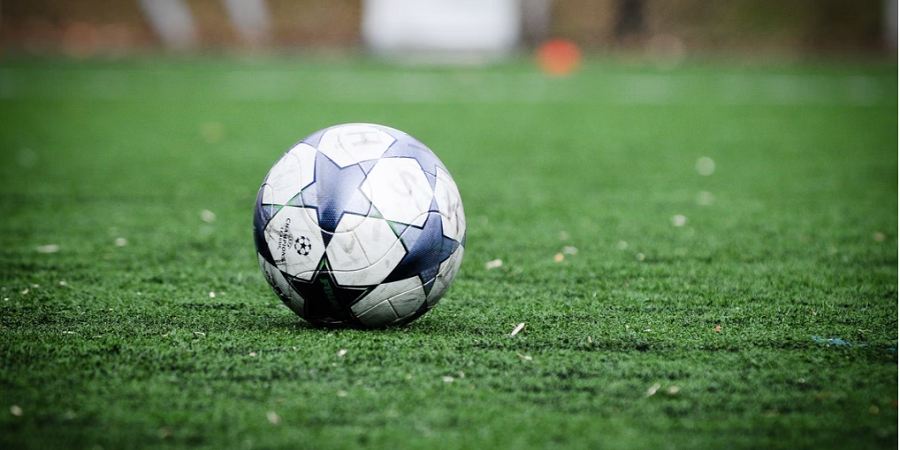
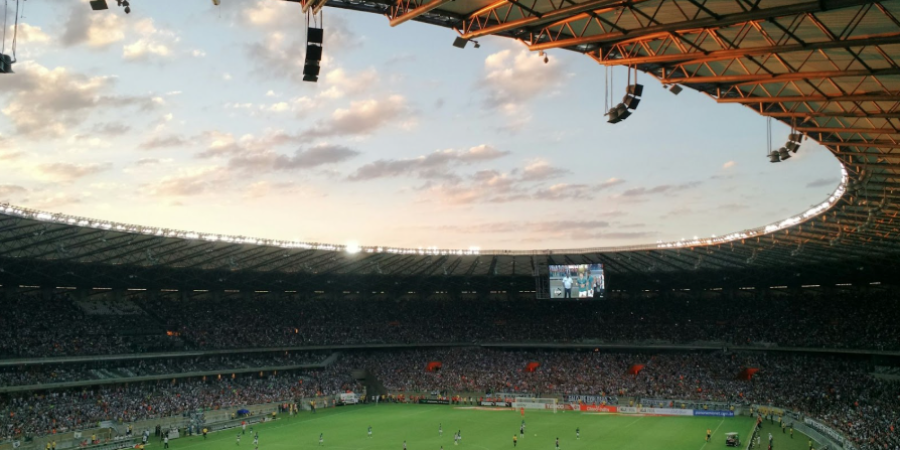
Football in Albania works like a shared language. Local clubs such as KF Tirana or Partizani act as identity markers. European leagues, especially Italy’s Serie A, carry equal emotional weight, shaped by geography and years of Italian television influence. Matches on screen, debates in full swing, predictions exchanged like small bets of pride. Betting slips into this space naturally, part of the same conversation.
The ritual of prediction
Predicting results is practically its own pastime. Who scores first? Will the favourite stumble? These questions invite participation and keep attention locked in. A small wager sharpens that attention. Watching turns into something more intense. Every pass, every near miss, suddenly matters in a different way.
The rise of betting in a changing economy
From informal bets to digital platforms
Not long ago, betting in Albania stayed mostly informal. Friends made small wagers, and local bookmakers operated quietly. This shifted in the early 2000s after the gambling market opened up. Betting shops spread quickly. Before the 2019 restrictions, thousands operated across the country, roughly one for every few thousand people. Today, stricter rules have pushed activity online. Interest hasn’t faded. Participation has become more discreet and easier to access. This is where betting sites in Albania fill the gap, letting people place quick bets, check live odds, and stay connected to the same matchday routines that once revolved around betting shops.
A matter of economics
The economic conditions contribute their part. Wages in Albania are still below the average in most European countries, and it can be tempting to lack a fast financial reward. There is an element of possibility in betting. A small stake might grow into something useful, or at least that idea lingers.
The psychology of risk: a cultural undercurrent
A familiar relationship with uncertainty
Albania’s past includes long periods of instability and sudden change. Many people have grown up adapting to uncertain conditions. That experience shapes attitudes. Risk becomes something understood, part of the background rather than an exception. Betting fits into this mindset. It offers controlled risk within clear rules, giving a sense of structure that real life doesn’t always provide.
The thrill factor
There’s an undeniable rush involved. A last-minute goal or an unexpected result already carries emotion. To the bet, add a wager, and the emotion isn’t so bad. Yes, well, it is kind of like playing the song on the stereo that is already playing loudly. Not everyone enjoys that. For many, it’s exactly the attraction.
Regulation and resilience
The 2019 crackdown
In 2019, Albania proposed a blanket prohibition on most types of sports betting, shutting thousands of physical operations. This was intended to deal with the issues of addiction and social impact. For a short time, it looked like a major shift might follow.
The digital pivot
The shift took a different direction. Activity moved online or into informal settings. Smartphones replaced storefronts, and apps replaced paper slips. Betting became quieter, less obvious, yet still firmly embedded.
Why it persists: a few overlooked factors
Community and belonging
Betting often happens alongside social interaction. Friends exchange predictions, compare outcomes, celebrate wins, and share frustrations after losses. It creates a sense of connection, a shared experience built around uncertainty.
The illusion of expertise
Football knowledge in Albania runs deep. Fans follow teams closely and remember details in impressive ways. Betting draws on that knowledge, offering a chance to prove insight. And let’s put it this way. Luck plays a major role, yet it often feels like skill is in control.
A snapshot of the appeal
- Accessibility: online platforms make participation simple and discreet
- Emotional engagement: matches feel more intense
- Economic hope: small wins can carry real significance
The other side of the coin
This culture carries clear downsides. Concerns about addiction and social consequences continue to grow. Families notice changes. Communities recognise patterns. Policymakers continue to seek methods to strike a balance between freedom and protection. Simultaneously, there is an increased awareness. The discussion of responsible behaviour is gaining momentum, although the habits may change slowly.
Conclusion: between passion and probability
Football in Albania remains a constant presence. It fills public spaces and fuels conversations. Betting sits alongside it in a more complicated role. Its appeal goes beyond the game itself, reaching into how people relate to chance and possibility. Exactly, that’s the shared core of football and betting. Unpredictability. That moment when everything changes. And that’s likely why, regardless of restrictions or concerns, the connection continues to hold its place in everyday life.