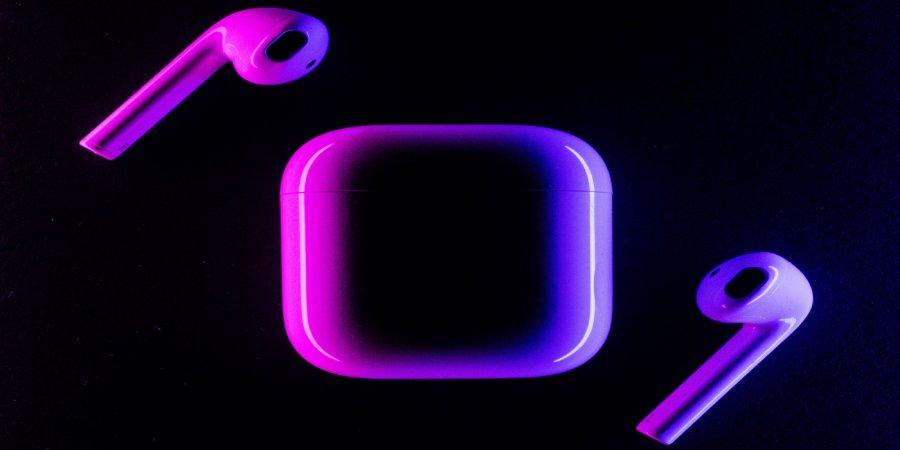
Nodders used to do one thing: pump sound. Modern wireless buds track heart rate, scan ear shapes for personalised 3D audio, and watch your posture while streaming Dolby Atmos.
The line between audio gear and medical kit has completely vanished. One spot where this gets real is the pokies net. Casino punters there use spatial audio to pick out virtual slot wins from specific directions while their buds log fatigue levels on the fly.
How Personalised Spatial Audio Actually Works
Old surround sound ran on fixed channels. Left, right, centre, rear. The listener had to sit in one perfect spot. Spatial audio flips the lot. It tracks head movement and recalculates the sound field hundreds of times per second. A helicopter flies overhead and the audio shifts smooth as the user turns their noggin.
Why Ear Scanning Changes Everything
The real leap came with individual ear scanning. Users point a smartphone camera at each lug for ten seconds. The software builds a 3D map of the outer ear — every ridge and cavity. That map decides how sound bounces before hitting the ear canal. No two ears are the same. No two spatial audio profiles should be either.
For anyone playing online pokies Australia with spatial audio, a winning reel sounds like it is sitting on the table in front of them, not inside their skull. The difference is not subtle.
Spatial Audio Finally Hit The Masses
Two formats now run the conversation around 3D sound for gaming and tunes. One chucks sounds anywhere in space. The other builds a custom soundstage based on the listener’s own lugs.
- Dolby Atmos for headphones – Object based audio that places sounds anywhere in 3D space, not just left or right.
- Sony 360 Reality Audio – Uses ear mapping to create a personalised soundstage that matches the user’s unique anatomy.
An online pokies casino Australia that supports both formats gives punters a proper choice. Atmos for cinematic width. Sony 360 for surgical precision. Neither existed on consumer nodders five years back.
Sensors That Listen To More Than Music
Audio companies hired biomedical engineers. The results are showing up in flagship buds. Photoplethysmography sensors measure heart rate through ear cartilage. Thermistors track core temperature from the ear canal. Accelerometers cop head posture and ping users when they slouch.
Apple led the charge with hearing tests built into AirPods Pro 2. Users tap through a series of beeps, and the buds generate a clinical grade audiogram. That audiogram then tweaks the frequency response to compensate for individual hearing loss. For millions of users, this is the first hearing test they have ever taken.
Huawei FreeBuds added posture monitoring. The buds detect when the user’s neck tilts forward into text neck position. A gentle chime reminds them to straighten up. For a player grinding casino pokies online sessions that stretch past an hour, this health layer matters. Fatigue builds slowly. The buds notice before the casino player does.
What Gets Measured Inside Modern Earbuds
Manufacturers have crammed more sensors into each bud than most desktop computers had a decade ago. The table below shows what gets tracked and why it matters for regular punters.
| Sensor Type | What It Tracks | Real World Use |
| Photoplethysmography (PPG) | Heart rate, HRV | Stress detection during long sessions |
| Thermistor | Ear canal temperature | Fever warning, ovulation tracking |
| Accelerometer | Head position, movement | Posture alerts, step counting |
| Microphone array | Ambient noise level | Hearing protection in loud environments |
| EEG electrodes (emerging) | Brainwave activity | Focus and fatigue measurement |
An online pokies casino platform that hooks into these sensors could theoretically pause play when heart rate variability drops into dangerous territory. No regulation yet. But the tech exists.
Where Content Is Heading
Music labels now mix albums specifically for spatial audio. Apple Music demands Atmos mixes for editorial playlists. Gaming followed faster than film. Competitive shooters use spatial audio for footstep localisation. Racing games put engine noise behind the player and tyre squeal at wheel level.
Casino pokie developers are catching up. A spinning reel sounds different when it can be placed in physical space. The bonus round drops from above. The scatter win pings from the left. Small changes — big immersion lift. An online pokies casino app that bakes spatial audio into its core experience feels more physical than a desktop browser ever could.
The Australian Context
Aussie summers test headphone durability. Sweat, humidity, and sudden rain kill cheap buds. The same sensors that track health also need to survive a 40‑degree day at the beach. IP ratings above IP54 are non‑negotiable for local use.
Spatial audio works differently in noisy environments too. Stronger ANC compensates for outside chaos. Ear scanning stays accurate regardless of temperature. The tech does not care if the user is on a Melbourne tram or a Brisbane balcony.
For anyone searching for a casino online Australia that takes audio seriously, the question is not just which games but how those games sound.