Moving from bookmakers to card rooms doesn’t change the math required to turn a profit. Smart sports handicappers have already built a foundation that can help distinguish between winning and losing poker players.
Evaluating football betting lines enables players to find advantageous opportunities at poker tables. A key factor distinguishing winners from losers in sports handicapping and poker is maintaining discipline with expected value strategies. Players mustn’t rely on gambling on intuition and chance alone.
Smart Players Treat Platform Selection Like Line Shopping
No successful sports handicapper would wager on football at -120 when a price is available at -110 elsewhere. The razor-thin margins make all the difference in the world. Selecting the poker “venue” dictates where the starting point of profitability lies for every player who plays there.
It’s the same way a disciplined bettor evaluates vig on football lines. A disciplined poker player must select real money poker sites by reviewing rake charges and player activity. It helps maintain their competitive advantage by avoiding high rake fees.
Online cash games usually enforce a maximum rake cap of a few pounds per hand. The typical caps at low stakes range from £0.20 to £1.25. Bettors ignoring the importance of searching for the best available lines face losses due to bookmaker margins on each wager. It’s typical for football match result lines to have a margin of around 5-8%. Finding soft games with fair structures represents a critical step for protecting bankroll health.
Expected Value Remains the Universal Language of Profit
Expected Value (EV) is the mathematical foundation of both pursuits and guides every decision players make professionally. When a handicapper assesses that a team has a 40% chance to win, it becomes a sound betting decision. It’s a wager on a +200 underdog offering a 33% win probability.
That is a favourable EV decision. The poker table is no different. Calling a bet with “pot odds” of 4:1 to win requires 20% equity to justify a call. A player needs to call when holding a drawing hand that has a 25% chance to hit. The goal is to make mathematically profitable decisions repeatedly rather than winning every hand or game.
Strict Bankroll Management Mitigates the Risk of Variance
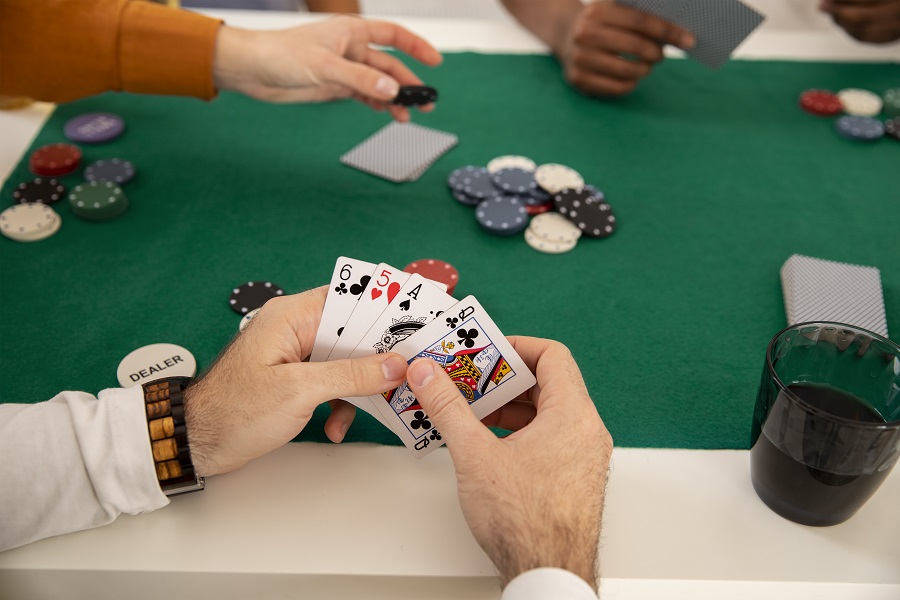
Fighting variance feels like dragging anchors when budgets run thin, no matter the game. Hitting 53% to 54% win rate against the spread is usually what sharp sports gamblers aim for. Yet losses still pile up by cold numbers. Poker tracks progress in big blinds every hundred rounds, where results lurch wildly between poles.
Survival means thinking as the Kelly Criterion suggests. A savvy investor would never risk half their money on one NFL game. In the same way, putting every dollar into a single poker session makes no sense. Holding back enough for 20 to 30 entries softens the blow when luck turns. That buffer handles the swings that come with long-term play.
Handicapping Opponents Is Similar to Analysing Team Trends
One reason some gamblers shine at poker is that they watch how players act when tired. Picture someone studying a basketball squad that falls apart late in games. Those same eye spots tell across a card table. Noticing stress patterns matters as much there. It’s about timing: when tension hits, choices change. Watch long enough, and behaviour shows up like clockwork.
A single mistake can reveal a lot; watching someone push hard when they lose shows patterns others miss. That moment a rival bets big right after a bad beat sticks out if one is paying attention. Spotting a shaky defence in sports feels much like catching a fake move at the table. One signals where the play will go before it happens. When habits show through, edges appear without needing words.
High Volume Play Accelerates the Realisation of ROI
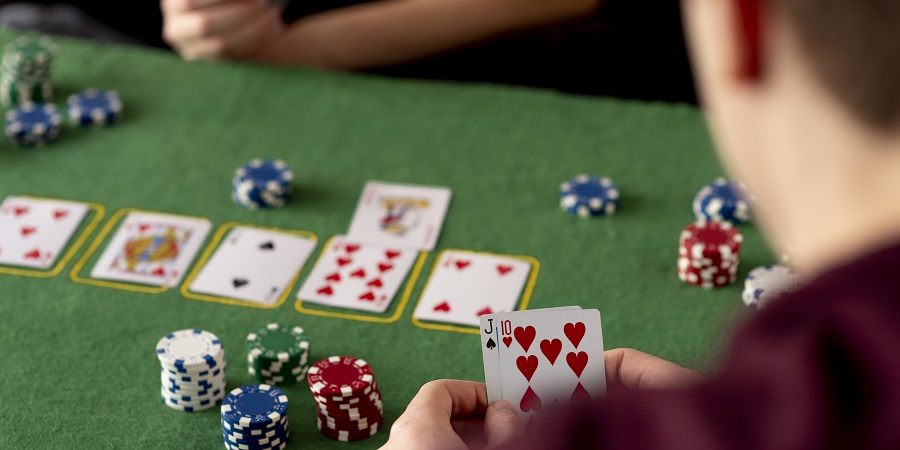
A single moment of clarity hits each person differently, depending on what they do. Games lined up on a calendar mean waiting (sometimes days) for another chance to act. In contrast, one hand follows another without pause when playing cards online.
Some may earn just a few percentage points back over time while placing game wagers. Yet others pull far greater gains at virtual tables by reading the mistakes of less experienced rivals. More rounds played mean results settle into patterns more quickly here than anywhere else involving odds.
Where Sharp Minds Find Multiple Edges
One way to view poker and sports wagering is as separate arenas in which strategy shapes outcomes. Thinking in odds matters just as much as staying steady under pressure. Using sharp analysis from sports when playing cards shifts how decisions get made.
Emotions step back. Money moves follow logic instead. When value drives choices, it doesn’t matter whether the game is played on the field or on a green cloth. The mindset stays locked on edges, not luck.