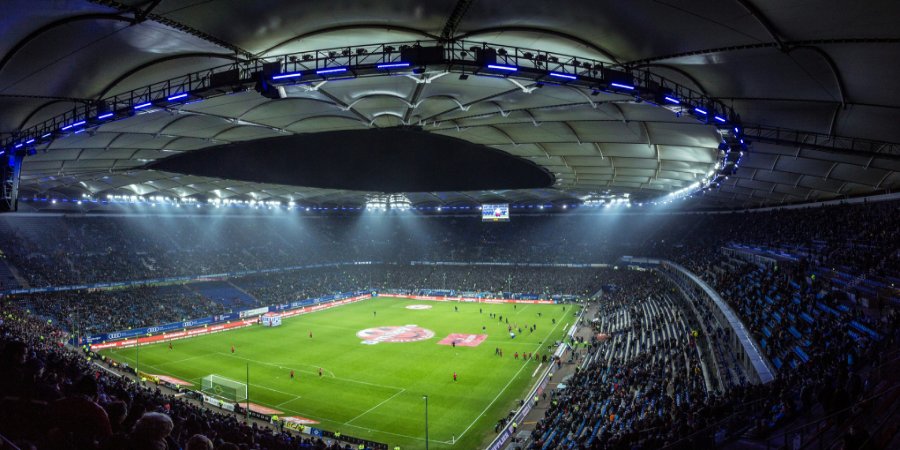
Qatar is an example of how to build a winning culture at all levels in a country. The country invested over $2 billion dollars into developing its athletes by building world-class training facilities and supporting elite youth development programs. The transformation that took place was much bigger than the building of fancy new stadiums. It has created a long-term strategy for enhancing the human capital and potential of the people living in the region. Keep reading to see how this small peninsula became one of the top sports destinations in the world.
National Strategic Framework
The government has put together a plan called the Qatar National Vision 2030, which is an overall strategy for all local athletics. The government included physical education in the national curriculum so that the nation can work to decrease the number of young people who suffer from sedentary lifestyle-related illnesses. As part of this plan, funding will go to grassroots clubs rather than just major international competitions.
Decision-makers prioritize the “Sport Sector Strategy” to bridge the difficult gap between amateur play and professional excellence. The state provides massive grants to local federations to modernize their coaching standards and administrative processes. Fans often track these developments and team progress via platforms like Melbet (Arabic: تحميل تطبيق melbet) during major local leagues. These targeted investments create a sustainable ecosystem where young Qataris see professional sports as a viable, prestigious career path.
National Sport Day Initiatives
Since 2012, Qatar has remained one of the only countries worldwide to mandate a national holiday for exercise. The government shuts down offices to encourage every citizen to participate in state-sponsored physical activities. These events take place across public parks, beaches, and the Katara Cultural Village with massive attendance.
The government focuses on these specific pillars during the festivities:
- Free public access to elite fitness facilities and swimming pools.
- Mass-participation marathons organized by the Ministry of Sports and Youth.
- Family-oriented competitions designed to integrate elderly residents into active life.
This holiday serves as a psychological reset for the workforce while reducing the long-term burden on healthcare. To ensure maximum impact, the state provides free public transport on the Doha Metro for all participants. High-profile national athletes often lead public training sessions to inspire the crowds and offer technical advice. This nationwide mobilization fosters a deep sense of community and reinforces the government’s commitment to a healthier population.
Specialized Training and Talent Development
Talent identification in Qatar is a rigorous, state-funded science that starts in primary schools. The government coordinates between health ministries and athletic scouts to find children with high physical potential. This early intervention ensures no gifted child is overlooked due to geography or social standing. Many fans follow the progress of these young stars via the Melbet apk during regional youth tournaments. This centralized approach removes financial barriers for families, allowing the best prospects to focus entirely on their skills. By providing professional coaching from age seven, the state guarantees a consistent pipeline for national teams.
The Role of Aspire Academy
Aspire Academy operates as a world-leading hub where education and elite coaching exist under one roof. The facility employs international experts to monitor every heartbeat of scholarship students using biometric sensors. This government-backed institution famously produced the squad that won the 2019 AFC Asian Cup. The program effectively bridges the gap between raw natural potential and professional athletic excellence.
Beyond football, scouts evaluate 5,000 children annually through a sophisticated National Talent Identification Program. Students receive personalized nutrition and academic tutoring to ensure success outside the arena. The academy uses high-altitude chambers to simulate global environments for runners, making it a gold standard for developmental programs. This comprehensive approach guarantees that every graduate is fully prepared for the pressures of international competition.

Qatar Olympic Committee Programs
The Qatar Olympic Committee focuses on professionalizing the administrative side of the nation’s various sports federations. They offer the “Kun Riyadi” program, which helps identify talent across 14 different Olympic disciplines. This state initiative provides athletes with the mental health resources and legal support needed for global competition. Dedicated career path counselling helps these professionals transition into coaching or management roles once their competitive years end.
By funding foreign training camps, the committee ensures Qatari athletes gain experience against the world’s best competitors. They also manage the “Be an Athlete” campaign to inspire toddlers to join gymnastics and swimming. This creates a continuous pipeline of competitors ready for the Los Angeles 2028 games. These strategic investments ensure that Qatar maintains a prominent and respected presence on the world’s most prestigious podiums.
Legacy, Community Engagement, and the Long-Term Vision for Qatari Sport
The state ensures that the excitement of major tournaments translates into a permanent lifestyle change for all residents. Government planners focus on social inclusion to make sure no demographic is left out of the athletic movement. This vision prioritizes emotional connection to local teams to build a lasting sporting heritage. By fostering a sense of pride, the programs secure the future of the nation’s physical culture.
Post-Event Infrastructure Utilization and Sustainability
Qatar avoided the “white elephant” stadium problem by repurposing World Cup venues into vibrant community spaces immediately. The government converted several stadium precincts into hubs featuring hospitals, wedding halls, and boutique shopping centers for locals. High-tech modular seating was donated to developing nations to support global football growth while reducing local maintenance costs. This sustainable approach ensures that massive cooling technologies serve local schools and clubs during the scorching summer months. Officials manage these assets to host regional athletics meets, keeping the facilities profitable and physically active year-round.
Grassroots Programs and Widening Public Access to Sport
The Ministry of Sports and Youth launched neighbourhood initiatives to bring Olympic-level coaching to local public parks. These programs offer free training sessions in basketball, tennis, and martial arts for children of all backgrounds. By removing membership fees, the government successfully increased female participation rates in organized leagues by thirty percent. Mobile fitness vans travel to rural areas to provide health screenings and guided workout sessions for the elderly. This democratization of fitness ensures that elite infrastructure benefits every person living within the borders of Qatar.
World-Class Infrastructure Investment
fresh air humming through sleek new arenas built during the 2022 World Cup season. Each one runs on smart cooling systems, designed so practice never stops even when temperatures soar high. Since then, schools have claimed them for track meets while town teams fill the fields each weekend.
Out past the stadiums, Qatar set up the Lusail track, aiming for staying power in Formula 1. Inside its turns and straights, young engineers test ideas while fans get close to high-speed dreams. Once the world stops watching, government backing keeps the lights on and engines running. Long after headlines fade, activity hums under desert skies.
Legacy and Long-Term Vision for Qatari Sport
Qatar puts money into projects that keep sports alive long after big tournaments fade away. Built for the World Cup, its stadiums now serve neighbourhoods daily – housing clinics, schools, and cooled gathering spaces. In local parks across the country, top-tier coaches work with kids without asking them to pay a cent. Since those efforts began, more girls are showing up ready to play – their numbers climbing sharply. Even remote towns see activity when exercise units on wheels roll in, offering training stops.
Money flows not just into stadiums but into bodies and routines across neighbourhoods. Health science ties directly into school gyms and weekend leagues. Access spreads quietly, without announcements or slogans. Big events still land there yearly, yet daily life feels the shift more. Ordinary lives gain structure, rhythm, and care. The plan stretches past 2030 like roots under pavement.