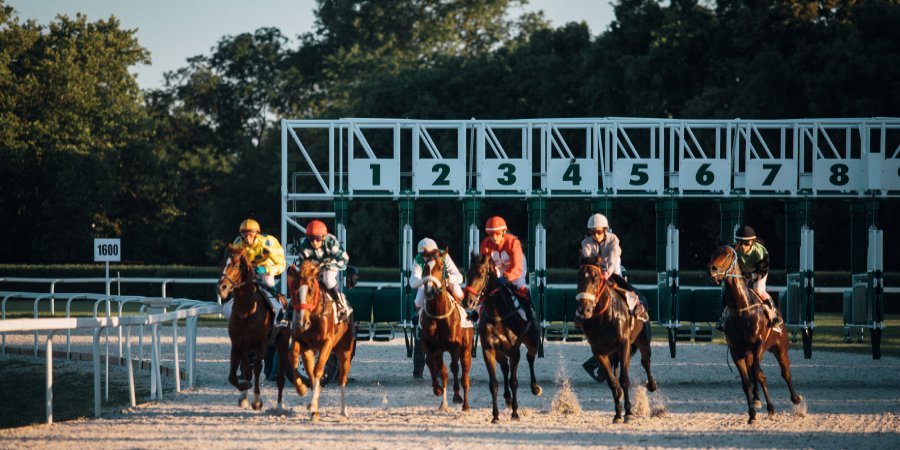
Horse racing offers much more to examine than the name of the horse that finishes first. Every race produces valuable information about performance, competition, track conditions, and the strategies horses use throughout an event. Understanding these details helps racing enthusiasts develop a clearer picture of what happened on the track.
Detailed race charts provide more information than a results summary. In U.S. Thoroughbred racing, they can include intermediate positions, fractional times, beaten lengths and comments about the trip. These records describe what happened; explaining why it happened requires comparing the race conditions, opposition and available replay evidence.
Finishing Positions Tell a Bigger Story
A race’s final standings show where each horse finished, but they do not fully explain how the competition unfolded. Looking at the positions throughout the event provides a better understanding of each participant’s performance.
Consider a hypothetical horse advancing from eighth to third. The chart confirms an improvement in position, but does not establish that the horse accelerated. It may have maintained its speed while others slowed. Sectional data, where available, and the replay help distinguish those explanations.
A horse that leads early and finishes farther back presents the reverse pattern. The record shows where it lost position, but a demanding pace, interference, distance or stronger opponents could have contributed. Finishing order alone cannot identify the cause.
Field size adds context rather than a fixed explanation. Traffic depends on the runners’ positions, available space, pace and course configuration. A larger field does not mean every horse encountered a more difficult trip.
Race Times and Margins Add Context
Race times provide valuable information about the pace and overall performance of horses competing in an event. However, these figures become more meaningful when considered alongside race distance, track conditions, and finishing margins.
Reviewing horse racing results allows fans to examine official finishing times and understand how closely horses competed. A race decided by a nose or a neck presents a different picture from one where several lengths separate the leading competitors.
Distance plays an important role in interpreting these numbers. A fast time over six furlongs cannot be directly compared with a longer race covering a mile or more. Each distance places different demands on horses and requires adjustments in pacing.
Track conditions also affect recorded times. A wet dirt surface or softer turf course may produce slower performances than a dry, firm track, even when horses maintain strong efforts.
Comparing times from races held under similar conditions provides a clearer understanding of performance. This approach helps readers recognize meaningful differences without relying on isolated figures.
Running Styles Reveal Performance Patterns
Horses approach races using different running styles, which affect their positioning and movement throughout an event. Understanding these approaches helps racing followers interpret how individual performances develop from the starting gate to the finish line.
Three broad running-style descriptions help organize race analysis, although providers may use additional categories:
- Front-runners: These horses establish an early position near the lead and attempt to maintain their pace throughout the race. Their performances often depend on how comfortably they establish an early advantage.
- Stalkers: These competitors remain close to the leaders without immediately setting the pace. They typically move forward as the race progresses, positioning themselves for a stronger effort in the final stages.
- Closers: These horses generally begin farther behind the leaders before advancing later in the race. Their performances often reflect how the early pace develops and whether sufficient space becomes available.
Running styles become particularly interesting when examining multiple performances. A horse that consistently advances during the final stages may demonstrate a recognizable pattern, while another might perform more comfortably when establishing an early position.
Track Conditions Shape the Results
Track surfaces and weather conditions contribute significantly to how horse races unfold. Horses encounter different demands depending on whether they compete on dirt, turf, or synthetic surfaces, making these details important when reviewing past performances.
Different conditions affect racing in several ways:
- Fast dirt tracks: Dry, well-maintained dirt surfaces generally support quicker recorded times. Horses familiar with these conditions may demonstrate consistent performances across comparable events.
- Wet tracks: Rain can produce muddy or sloppy dirt surfaces, changing how horses move and maintain their pace. Some competitors demonstrate stronger performances under these conditions than others.
- Turf conditions: Grass courses vary from firm to yielding or soft, depending on moisture levels. These differences affect footing and the pace at which horses travel throughout a race.
Synthetic tracks introduce another consideration, as their composition and maintenance create different racing characteristics from traditional dirt or grass courses. Comparing performances across surfaces helps readers understand why the same horse might produce different results under changing conditions.
Past Results Help Identify Trends
Individual races offer useful information, but reviewing several performances provides a more complete understanding of a horse’s form. Patterns across multiple events reveal details about consistency, preferred distances, and how horses respond to different levels of competition.
Repeated competitive finishes describe historical consistency when the fields and conditions are comparable. Improving positions alone do not establish developing ability: weaker opponents, smaller fields or a more favorable trip could also explain the sequence. Compare margins and race circumstances alongside the placings.
Distance records provide clues whose strength depends on the sample. Two good performances at a mile offer less evidence than a substantial record against comparable opposition. A lack of experience at another distance also differs from repeated poor performances over it.
Jockey and trainer records identify personnel associated with each performance. A rider or stable change can coincide with a different result, but the timing does not establish causation. Training routines should only be discussed when documented separately, rather than inferred from an improved finish.
Rather than focusing on a single result, racing enthusiasts benefit from examining the broader record. This approach provides a more balanced understanding of each horse’s abilities and racing characteristics.
Looking Beyond the Finish Line
Horse racing results offer a detailed record of what happens throughout an event, extending well beyond the finishing order. Race times, margins, running styles, and track conditions provide useful context for understanding individual performances and the dynamics of competition.
Comparing official charts, replays and several relevant performances helps distinguish recorded facts from possible explanations. Position changes, timing patterns and surface records become more useful when their limitations are clear. The aim is a more precise account of the race, rather than treating a historical pattern as a prediction of the next result.