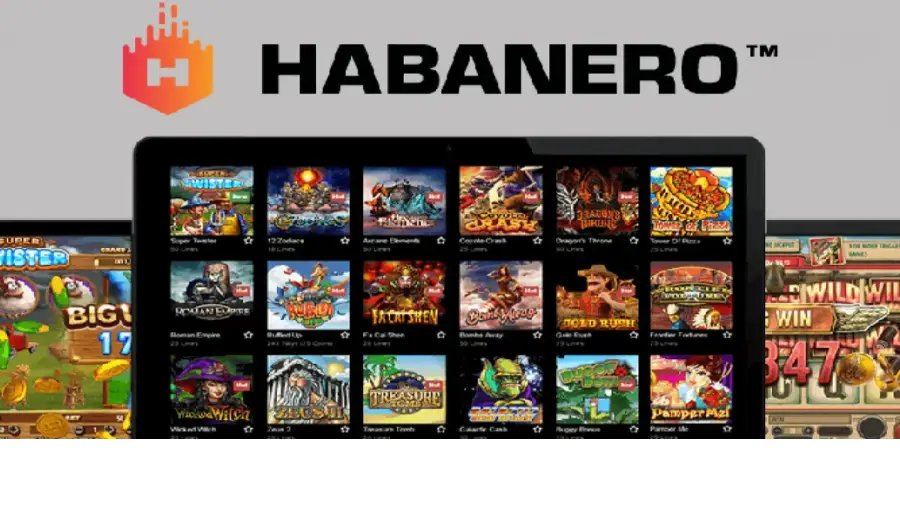
Online casinos can offer thousands of slots, table games and live casino titles. While that level of choice sounds appealing, it can make finding the right game unexpectedly difficult. Casino discovery platforms help players narrow large libraries by organising information around practical preferences such as game style, provider, theme and available features.
Why More Choice Can Create More Friction
Digital entertainment has become increasingly focused on personalisation. Streaming services recommend films based on viewing habits while music apps build playlists around listening history. These tools reduce the effort required to find something relevant.
Online casino players face a similar challenge. A typical game lobby may contain rows of colourful thumbnails with limited context. New releases appear regularly and familiar titles can quickly become harder to locate. Players who do not already know what they want may spend more time browsing than playing.
Discovery platforms address this problem by presenting casino information in a more structured format. A resource such as slotsoo.com can help users compare different casino experiences and explore relevant categories without relying solely on promotional banners.
This kind of organisation is useful because casino choice involves more than selecting a single slot. Players may also want to consider mobile performance, payment availability, game suppliers and the overall design of the platform.
Filters Turn Large Libraries Into Useful Shortlists
Search tools are most effective when they reflect the way players actually make decisions. Basic filters such as newest or most popular can provide a starting point but more detailed options make discovery faster.
Players may want to browse games by:
- Theme or visual style
- Software provider
- Bonus features
- Volatility level
- Reel format
- Jackpot availability
- Live casino category
These filters can reduce hundreds of options to a manageable shortlist. Someone looking for a mythology-themed slot with frequent bonus mechanics has a more specific goal than someone simply browsing the newest releases.
Good discovery systems also allow players to change direction easily. A user may begin with a particular provider then decide to explore similar games from another studio. Clear categories and related suggestions can make that transition natural.
Search accuracy matters as well. Players often remember only part of a game title or a visual detail. Predictive search and carefully assigned tags can help them find the correct result without entering an exact name.
Comparison Features Add Context Before Registration
A game may look appealing but the wider casino experience can still influence whether a player decides to register. Discovery platforms can bring key details together so users do not need to open multiple pages or create several accounts simply to compare basic features.
Useful information may include:
- Supported payment methods
- Mobile compatibility
- Available game categories
- Typical withdrawal procedures
- Promotional terms
- Customer support options
The goal is not to tell every player which casino is best. Preferences vary too widely for a single ranking to suit everyone. One person may prioritise a broad live casino section while another may care more about slot variety or mobile speed.
Comparison tools are most valuable when they support independent decisions. Clear descriptions and consistent categories allow players to evaluate platforms using the same criteria. This is more useful than presenting every casino as equally suitable for every user.
Editorial balance is also important. Discovery content should explain both the advantages and the practical conditions attached to a platform. Players benefit from knowing how an offer works rather than seeing only the largest promotional figure.
Personalisation Is Becoming More Helpful
As discovery technology improves, recommendations are becoming more relevant. Casino platforms can use browsing behaviour to highlight similar games, recently viewed titles or categories that match previous interests.
However effective personalisation should remain transparent and easy to control. Players should still be able to browse the full library and reset filters whenever they choose. Recommendations work best as helpful shortcuts rather than fixed pathways.
The strongest discovery experiences combine automation with clear user choices. A player might receive suggested slots based on preferred themes then refine the results by provider or feature. This creates a balance between convenience and control.
Mobile design is another important part of personalisation. Smaller screens offer less space for large game grids so search tools and filters need to be especially efficient. Well-organised menus, saved favourites and recently played sections can reduce unnecessary scrolling.
Casino discovery platforms are becoming an important bridge between large game libraries and individual player preferences. By improving search, comparison and personalisation they make the selection process more manageable. The result is not simply faster browsing but a more informed way to choose games and casino platforms that suit each player’s priorities.