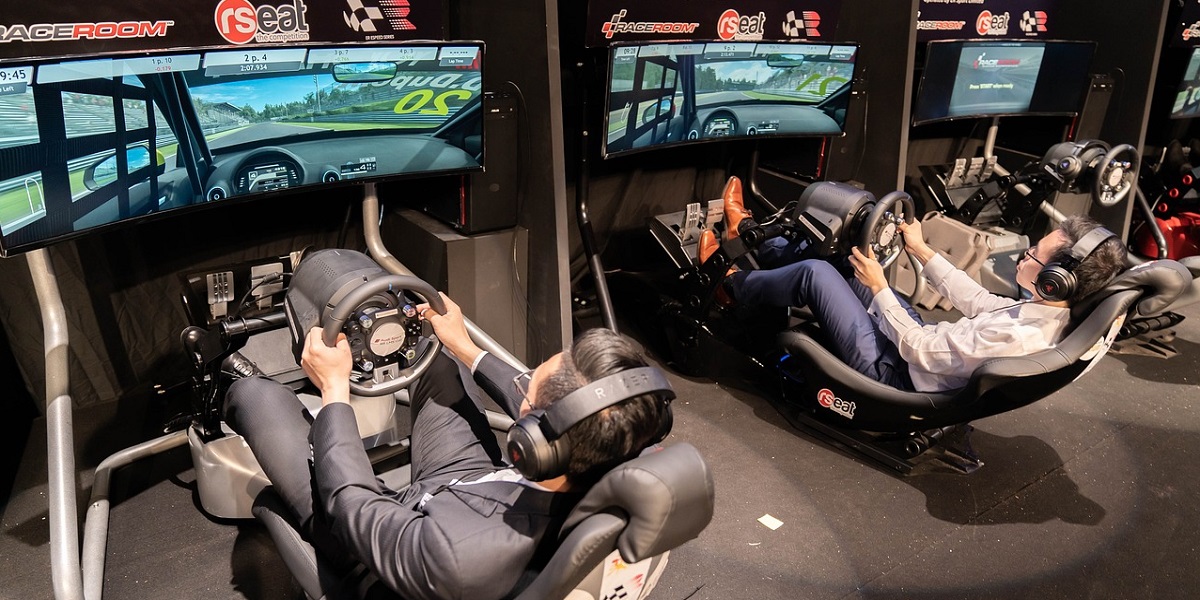
From the outside, professional gaming still sells itself as an easy win. Big stages, sponsor logos everywhere, sold-out arenas, and prize pools built for headlines. Off-camera, the grind looks very different. Ten to twelve hours of training a day isn’t the exception — it’s the baseline. The movements are repetitive, the posture static, and the mental load relentless.
While GPUs, monitors, and peripherals get upgraded every season, the most critical hardware in esports — the player’s body and nervous system — is often run flat out.
There’s no real safety net, careers burn out fast, and proper recovery barely features in the timetable. In Australia, as console and PC scenes keep expanding, the physical and mental toll is getting harder to shrug off.
Software-Level Safeguards in High-Risk Digital Environments
The same mental strain seen in esports also appears in other digital activities built on intense focus, repetition, and emotional swings. Wherever performance and money intersect, systems tend to emerge that try to reduce damage before it compounds.
Guides and breakdowns available at https://payid-pokies-australia-casino.com/ detail how modern PayID pokies systems embed these safeguards directly into platform architecture rather than bolted on as afterthoughts.
On platforms operating in online pokies Australia, safeguards are baked directly into the product layer rather than left to self-discipline alone. Systems built around PayID pokies Australia prioritise transparency and immediacy, tracking behaviour in real time as funds move instantly.
Key responsible gaming mechanisms commonly found on best online pokies Australia PayID platforms include:
- session reminders that prompt breaks after extended play
- spending and loss limits locked in before play begins
- real-time transaction histories showing deposits and withdrawals clearly
- behavioural flags that detect sharp increases in session length or frequency
These tools aren’t about entertainment polish. In Australian online pokies PayID environments, they exist to prevent emotional escalation and fatigue-driven decision-making — the same failure points that derail performance in competitive gaming.
The broader point is structural. When digital systems recognise that human focus is finite, they design around it. Esports has begun moving in that direction, but gambling platforms reached that conclusion years ago under regulatory pressure.
The Anatomy of Esports Wear and Tear
The Physical Toll — Wrist to Spine
The physical consequences of professional gaming are well documented but still widely underestimated. The most common issues form a familiar pattern:
- repetitive strain injury and carpal tunnel syndrome from constant mouse and controller input
- chronic neck and shoulder tension caused by static posture
- lower back pain linked to prolonged sitting, even in high-end chairs
- visual fatigue and migraines from sustained screen focus and lighting conditions
Treatment often involves physiotherapy, posture correction, reduced load, and in severe cases, medical intervention. What’s missing in many teams is early prevention rather than late-stage rehab.
Mental Burnout, Tilt, and Performance Pressure
Mental strain compounds the physical load. Competitive ladders, public rankings, and contract expectations create an environment where failure is both visible and relentless.
“Ladder fatigue” describes the emotional drain of endless ranking cycles with little psychological recovery. Tilt — emotional destabilisation after losses — leads to aggression, impulsive decisions, and cascading mistakes. Add public scrutiny, online abuse, and team pressure, and burnout becomes a matter of when, not if.
Several Australian players across FPS and console scenes have publicly stepped back in recent seasons, citing mental health breaks rather than injuries. That shift has helped normalise conversations that were long overdue.
What Top Teams Build Around Their Players
At the elite end of esports, support systems look very different. Leading organisations treat health as infrastructure, not an afterthought.
A standard care framework in top-tier teams typically includes:
- physiotherapists and ergonomics specialists
- sports psychologists focused on focus, recovery, and stress regulation
- structured training blocks with enforced breaks
- physical conditioning sessions to counter sedentary load
- encouragement of off-screen hobbies and social balance
This approach recognises a simple truth: sustainable performance depends on managing limits, not ignoring them.
Human Health as the Real Meta-Game
The future of esports performance isn’t just mechanical skill or faster reaction time. It’s durability — physical, cognitive, and emotional.
The principles behind responsible digital platforms translate cleanly into competitive gaming. Systems built to spot overload early, flag risk, and force pauses consistently outperform setups that lean on sheer willpower. Whether it’s a tournament server or a regulated online platform, the takeaway doesn’t change.
The most valuable upgrade isn’t a new rig or a sharper peripheral. It’s building structures that protect the human running the system.